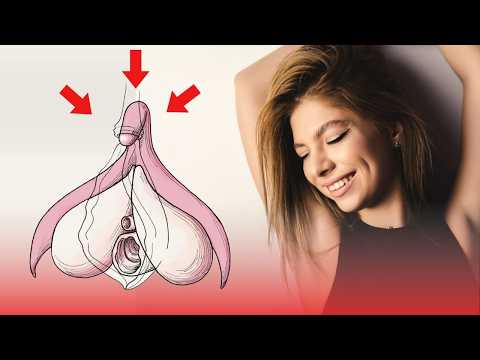
Dr. Sophie Laurent, a gynecologist with over 25 years of experience, reveals crucial insights about oral intimacy that many men overlook. She emphasizes the importance of emotional presence, patience, and understanding a woman's body beyond just technique. By slowing down, paying attention to breathing, and building trust, men can transform intimacy into a deeply meaningful experience for their partners at any age.
Dr. Sophie Laurent, a gynecologist with over 25 years of experience in women's health, shares profound insights about oral intimacy that many men are unaware of. Drawing from thousands of conversations with women in her Vancouver clinic, she reveals common mistakes men make and offers wise advice to foster deeper connection and pleasure.
Many women feel unable to express their true feelings about intimacy with their partners. They often remain silent to avoid hurting feelings or causing rejection. Dr. Laurent stresses that oral intimacy is not just a physical act but a moment of vulnerability and trust. When a woman allows her partner that close, she is offering more than her body—she is offering fragile trust.
Unfortunately, many men, even caring and loving ones, do not fully grasp the significance of this moment. This lack of understanding is not due to selfishness but because they were never taught how to approach it properly. Men often rush, focusing on speed and intensity, missing the emotional connection that is crucial.
One of the most frequent errors is rushing the experience. Men tend to go straight to the most sensitive areas, seeking quick reactions. However, this approach often leads to disconnection rather than pleasure. Women respond more to anticipation, rhythm, and the feeling that their partner is genuinely present and attentive.
The first contact should never be direct or rushed. Starting immediately with the most sensitive areas skips important steps that build emotional and physical connection. Instead, begin with less obvious but highly sensitive areas like the inner thighs and the soft curve where the thigh meets the body. Spending unhurried time here communicates care and presence.
Many men make the mistake of stimulating the clitoris too soon or too hard. The clitoris is extremely sensitive, and premature or intense stimulation can be uncomfortable or even painful. Dr. Laurent compares this to someone kissing you by immediately putting their tongue deep into your mouth before any greeting—too much, too fast.
Instead, treat the clitoris like the center of a slow dance. Use the tip of your tongue to trace gentle circles around it, hover without direct pressure, pause, retreat, and return. The spaces between movements build tension and anticipation.
Hands should never be idle during oral intimacy. They should move with slow, deliberate intention along the inner thighs, hips, and lower abdomen. When hands and mouth work together, the woman feels fully desired, which is profoundly powerful, especially for women who have spent years prioritizing others.
Breathing is the body's clearest signal during intimacy. Men should learn to read and synchronize with their partner's breathing:
This simple practice fosters connection and moves the experience from performance to genuine intimacy.
Other signals to watch for include:
Dr. Laurent shares the story of David and his wife, a couple married for 32 years, who had grown distant over time. David, a thoughtful man, sought help to reconnect. Through small daily gestures—genuine compliments, holding hands, attentive listening—and slowing down during intimacy, David rekindled their connection.
When he applied the techniques of presence, patience, and deliberate touch, his wife responded with a sound she hadn't made in over a decade. She felt like herself again—not just a mother or grandmother but a woman with desire and a body deserving pleasure.
This transformation was not about complicated techniques but about emotional groundwork and genuine attention.
Physical technique is only part of the equation; emotional presence becomes increasingly important with age. Women want to feel like the most important person in the room, to know their partner is fully present and attentive.
As couples age and life changes—health issues, retirement, children moving out—intimacy can become an anchor, a place where two people choose each other fully and without distraction.
Dr. Laurent acknowledges that some viewers may not currently have regular intimacy due to separation, widowhood, or other reasons. The skills of connection, presence, and attention do not expire. Starting with patience and genuine intention to give rather than get can transform future intimate experiences.
Physical changes or health issues do not disqualify anyone from being an extraordinary partner. Men who seek to understand and connect emotionally are already ahead. True connection comes from character and intention, not just physical ability.
Dr. Sophie Laurent emphasizes that oral intimacy is about more than technique; it is about emotional connection, presence, and respect. By slowing down, paying attention to breathing and body language, and investing in emotional intimacy throughout daily life, men can create experiences that their partners will cherish.
This approach transforms intimacy from a mechanical act into a deeply meaningful expression of love and trust, regardless of age or circumstance.
If this advice resonates, consider sharing it with others who might benefit. More men should have this conversation, and more couples deserve to feel this profound connection no matter how many years they have been together.
Dr. Sophie Laurent has dedicated over 25 years to helping people understand their bodies and relationships. Her insights offer a compassionate and practical guide to enhancing intimacy and connection.