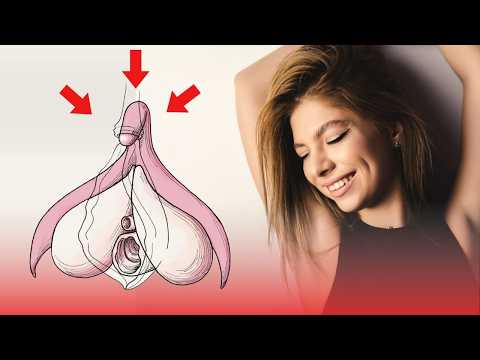
This blog post explores the relationship between Attention Deficit Hyperactivity Disorder (ADHD) and sexuality, discussing how ADHD can lead to both hypersexuality and reduced libido. It examines the physiological and psychological factors at play, offers insights into managing these challenges, and suggests practical strategies for improving sexual experiences for those with ADHD.
Attention Deficit Hyperactivity Disorder (ADHD) is a condition that affects many aspects of life, including sexuality. In this post, we will explore how ADHD influences sexual desire, the reasons behind hypersexuality and reduced libido, and what can be done to address these issues.
ADHD is characterized by a lack of dopamine activity in the brain, which can lead to difficulties in focus and emotional regulation. This post aims to delve into how these neurological factors can impact sexual experiences and desires.
Research indicates that individuals with ADHD often experience a range of sexual issues. Approximately 40% of respondents with ADHD report problems in their sexual lives, which can manifest in various ways.
Many individuals with ADHD report a decreased interest in sex. This can be attributed to several factors:
Conversely, some individuals with ADHD may experience hypersexuality. This can lead to:
The brain's dopamine pathways are less active in individuals with ADHD, which can lead to a constant search for stimulation. Sexual activity can temporarily increase dopamine levels, providing a sense of focus and pleasure that is often hard to achieve otherwise.
Individuals with ADHD may also be more sensitive to sensory inputs, which can affect their sexual experiences. Overwhelming smells, sounds, or physical sensations can distract or even deter them from engaging in sexual activities.
ADHD often coexists with other mental health disorders, such as anxiety and depression, which can further complicate sexual desire and performance. Addressing these underlying issues is crucial for improving sexual health.
Open dialogue about sexual needs and preferences is essential. Many individuals with ADHD may feel ashamed or confused about their sexual experiences, so discussing these topics can alleviate anxiety and foster understanding between partners.
Recognizing that sexual needs vary greatly among individuals is important. Some may require more frequent sexual activity, while others may be satisfied with less. Understanding and accommodating these differences can enhance intimacy.
Minimizing distractions during sexual activities can help individuals with ADHD focus better. This may include reducing noise, ensuring privacy, and eliminating visual distractions.
Changing routines can help maintain interest in sexual activities. Trying different locations, positions, or times for intimacy can keep the experience fresh and engaging.
Practicing mindfulness can improve focus and reduce anxiety during sexual encounters. Simple breathing exercises can help individuals with ADHD stay present and engaged.
While spontaneity is often romanticized, some individuals with ADHD may benefit from scheduling sexual activities. This allows for preparation and reduces anxiety about performance.
ADHD can significantly influence sexual desire and experiences, leading to both hypersexuality and reduced libido. Understanding these dynamics is crucial for individuals with ADHD and their partners. By fostering open communication, adjusting expectations, and exploring new techniques, individuals can enhance their sexual experiences and navigate the complexities of ADHD more effectively.
If you or someone you know is struggling with these issues, consider seeking professional help to address both ADHD and its impact on sexuality.