The Banga Way to Health Project in Uganda has made significant strides in community health, education, and sustainable agriculture over the past year. Key initiatives include feeding 250 orphans, opening a local clinic, establishing a milling operation, and launching a poultry farm. The project aims for self-sustainability by 2026, emphasizing local empowerment and accountability.
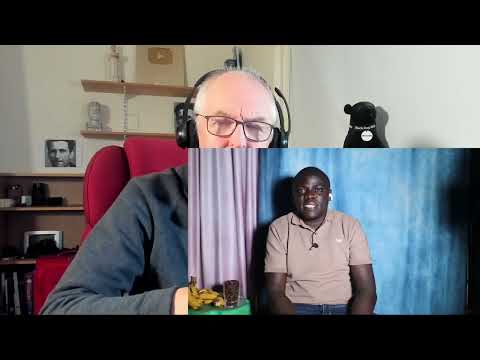
Welcome to the annual update on the Banga Way to Health Project in Uganda. This initiative aims to improve health and living conditions in the community through various programs. Raafa Andrew, the medical officer in charge, shares insights into the project's achievements and future goals.
The community health work remains a cornerstone of the project, focusing on preventive medicine. The team emphasizes health education, empowering individuals with knowledge to manage their health effectively. In the past year, the project reached out to 100 elderly individuals, widows, and those unable to access medical facilities due to physical limitations. They provided food, medical care, and spiritual support.
The project has successfully treated numerous cases of malnutrition and diseases such as malaria. For instance, a child suffering from back lymphoma received timely intervention, which significantly improved her condition. The ongoing health education efforts have been crucial in preventing health issues within the community.
The project currently feeds 250 orphans and underprivileged children from the village and surrounding areas. The meals consist of nutritious foods such as beans, porridge, and eggs from the poultry farm. This initiative has led to improved school performance and overall health among the children, reducing the risk of malnutrition.
To address the challenges of accessing distant healthcare facilities, the project has opened a local clinic. This clinic treats common conditions like malaria and respiratory infections and offers ultrasound services, particularly beneficial for pregnant women. The clinic aims to provide timely medical care to prevent fatalities from acute conditions.
The project has established a milling operation to process local grains, primarily maize and cassava. This initiative not only provides food but also creates jobs and supports local farmers by processing their produce.
The poultry farm started with 30-40 chickens and has grown to about 150 hens, with plans to expand to 1,000. This farm is crucial for providing protein-rich food to the community and generating income.
The project is also focused on growing various fruits and crops, including bananas, avocados, and coffee. The bananas serve as a staple food, while the coffee, which takes about three years to mature, is intended for sale to generate revenue for the project.
The skills center has been instrumental in empowering women and youth through vocational training. Initially equipped with eight sewing machines, the center now has over ten machines, enabling students to learn sewing and other skills. Plans to introduce hairdressing and welding courses are underway, further expanding opportunities for the community.
The project aims to achieve self-sufficiency by 2026, relying on income from agricultural produce and community initiatives. Current efforts include reducing operational costs by providing food to workers and generating revenue through the sale of crops and poultry products.
The project operates with transparency and accountability, fostering trust within the community. Local leaders have recognized the project's impact, and there is growing interest from other regions in replicating this model.
The Banga Way to Health Project has made remarkable progress in improving health, education, and economic conditions in Uganda. By focusing on local empowerment and sustainable practices, the project serves as a model for similar initiatives worldwide. The commitment to integrity and community involvement ensures that the benefits will continue for generations to come.