Bashar discusses the concept of human frequency and the potential for a shift to a new Earth. He explains that most people may not experience first contact with higher frequency beings due to their current vibrational state. The conversation explores how individuals may shift realities and the implications of change in our understanding of existence.
In a recent channeling session, Bashar, a multidimensional being, shared profound insights about human frequency, the potential for a shift to a new Earth, and the nature of reality. This discussion sheds light on the vibrational states of humanity and the implications of these shifts for our collective experience.
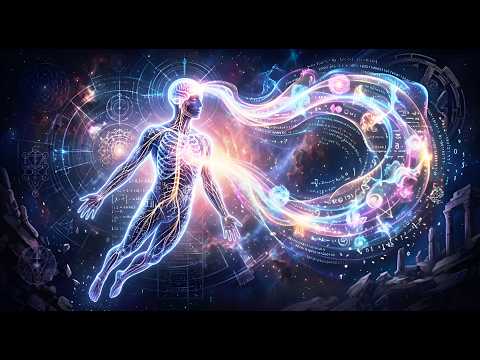
Bashar explains that human beings operate at different frequency ranges. Higher frequency states are identified as being between 175,000 and 200,000 cycles per second. This frequency is crucial for what Bashar refers to as "open contact" with higher dimensional beings. He emphasizes that the vast majority of people on Earth currently do not resonate at these higher frequencies, which may prevent them from experiencing first contact with these beings.
When asked about the likelihood of first contact, Bashar confirms that most individuals on the planet, as they exist now, will not experience this phenomenon. He notes that while some may eventually shift into a reality where contact is possible, the current majority will not be part of this experience. Instead, those who elevate their frequency will join a new majority in an alternate reality where contact is a norm.
Bashar elaborates on the concept of divergent realities, explaining that individuals may perceive different versions of Earth based on their frequency. Some may experience a range of realities, while others may not perceive these shifts at all. This variance depends on the individual's personal journey and the themes they are exploring in their lives.
A striking point made by Bashar is the potential for large segments of the population to seemingly "disappear" from the reality of those who will have contact. He likens this to friendships that fade over time; people may simply go on their own paths, and their absence may not be a mystery but rather a natural progression of life. This disappearance could manifest as individuals shifting to different realities where their paths no longer intersect.
Bashar acknowledges the simultaneous occurrence of massive climate change and potential extinction events, suggesting that these phenomena are linked to the shifts in reality. As humanity navigates through various versions of Earth, individuals will experience a spectrum of realities that reflect their choices and alignments.
As Bashar discusses the nature of reality, he emphasizes the importance of adapting to change. He suggests that humans are learning to navigate a world where change is constant and that this adaptability is a skill set being developed. The more individuals understand that they are creators of their physical reality, the less they will cling to the idea of stability as a fixed state.
Bashar points out that many people fear change, associating it with discomfort and anxiety. However, he encourages a shift in perspective: instead of viewing change as something to be feared, individuals can learn to see it as a natural and stable aspect of existence. This understanding aligns with the spiritual perspective that in a state of consciousness, change is fluid and continuous.
In conclusion, Bashar's insights challenge the conventional understanding of time and reality. He asserts that physical reality is a projection of consciousness, and once individuals accept the idea of constant shifting, they can form a new relationship with change. This perspective allows for a more profound understanding of existence and the potential for a collective shift to a new Earth.
As humanity continues to evolve, embracing these concepts may be essential for navigating the complexities of our changing world and preparing for the possibilities that lie ahead.