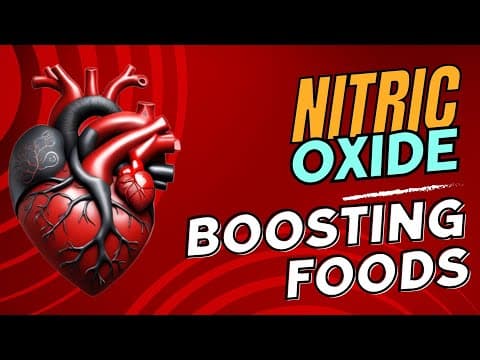
Nitric oxide is a crucial molecule for various bodily functions, particularly in cardiovascular health, immune response, and cognitive function. As we age, our nitric oxide levels decrease, but certain foods can help boost its production. This article explores the benefits of nitric oxide, the best foods to enhance its levels, and answers common questions about its supplementation and effects.
Nitric oxide is a powerhouse molecule that plays a vital role in numerous bodily functions. As we age, the production of nitric oxide tends to decrease, which can lead to various health issues. However, maintaining adequate levels of this molecule through a healthy diet and physical activity can significantly improve overall health. In this article, we will explore the benefits of nitric oxide, the best foods to enhance its production, and address common questions regarding its supplementation.
Nitric oxide is essential for vascular health as it relaxes the inner muscles of blood vessels, allowing them to widen and improve blood circulation. This is particularly important as we grow older, as our bodies produce less nitric oxide. A diet rich in specific foods and regular exercise can help boost nitric oxide levels, leading to various health benefits.
Immune System Support
Nitric oxide plays a crucial role in the immune response by helping the body fight against microbes and infections. It activates immune cells and orchestrates their activity to combat invaders while protecting against collateral damage.
Cardiovascular Health
Nitric oxide improves circulation, reduces arterial stiffness, and lowers the risk of blood clots. It also helps regulate blood pressure, making it vital for preventing cardiovascular diseases.
Nervous System Function
This molecule enhances neurotransmission, cognitive functions, and memory. It also protects neurons from oxidative stress, which is essential for long-term cognitive health.
Respiratory Health
Nitric oxide helps manage airway tension and improves airflow in the lungs, which is crucial in hypoxic situations, such as high altitudes.
Digestive Health
It regulates motility and enzyme secretion in the digestive system, ensuring efficient food breakdown and nutrient absorption while protecting against harmful bacteria.
Renal Function
Nitric oxide aids in waste removal through the kidneys and regulates renal blood flow, which is essential for effective filtration and fluid balance.
Incorporating certain foods into your diet can naturally enhance your nitric oxide levels. Here are some of the best options:
Kale
Rich in antioxidants and essential vitamins, kale supports endothelial function and improves blood flow.
Swiss Chard
High in nitrates and magnesium, Swiss chard promotes nitric oxide production and cardiovascular health.
Arugula
A rich source of nitrates and antioxidants, arugula enhances the effectiveness of nitric oxide in the body.
Spinach
Contains vitamins that aid in nitric oxide production and improve vascular health.
Chard
Known for its ability to increase blood flow, chard is high in polyphenols that support heart health.
Radishes (Iuka Sativa)
High in vitamin C, radishes help recover endothelial cells and improve nitric oxide synthesis.
Bok Choy
Contains calcium, which is essential for nitric oxide production and vascular health.
Beets
Known for their ability to increase blood flow, beets also aid in physical performance and muscle recovery.
Lettuce
Dark leafy varieties are high in folate, which helps lower homocysteine levels and improve nitric oxide production.
Cabbage
A good source of vitamin K, cabbage supports blood vessel health and nitric oxide production.
Mustard Greens
Rich in nitrates and glucosinolates, mustard greens aid in detoxification and support heart health.
Raw Cauliflower
Contains sulforaphane, which lowers oxidative stress and inflammation, benefiting cardiovascular health.
Parsley
This herb supports nitric oxide levels and cardiovascular health through its flavonoid content.
Kabi
Contains nitrates and fiber, promoting a healthy digestive system and indirectly benefiting heart health.
Carrots
Support nitric oxide production and contain antioxidants that protect cells involved in its synthesis.
Broccoli
High in vitamins that help maintain nitric oxide levels and improve detoxification processes.
Incorporating nitric oxide-enhancing foods or supplements into your daily routine can benefit cardiovascular health and sports performance. However, it is essential to consult with a healthcare professional to ensure that any supplementation fits your unique health profile.
While generally safe, excessive nitric oxide levels can lead to dizziness, headaches, and blood pressure issues. Individuals with specific health conditions or those taking certain medications should be cautious and consult a healthcare provider.
Yes, nitric oxide is vital for achieving and maintaining erections by ensuring sufficient blood flow to the genital area. Addressing overall health factors that affect nitric oxide levels can promote better sexual health.
Nitric oxide is a crucial molecule that supports various bodily functions, particularly cardiovascular health, immune response, and cognitive function. By incorporating specific foods into your diet, you can naturally boost your nitric oxide levels and enhance your overall health. Always consult with a healthcare professional before making significant changes to your diet or supplementation regimen to ensure safety and effectiveness.