Chris Bailey, author of Intentional and Hyperfocus, shares research-backed insights on productivity, emphasizing intentionality in managing time, attention, and energy. He explains the importance of aligning goals with core human values, overcoming procrastination by addressing aversion, and mastering focus in a distracted world through deliberate attention and scatter focus techniques.
Chris Bailey, author of Intentional: How to Finish What You Start and Hyperfocus, offers a comprehensive exploration of productivity that goes beyond common fluff and superficial tips. Drawing from academic research and personal experiments, Bailey reveals how intentionality, values, and focus are the true drivers of productivity and goal attainment.
Bailey begins by highlighting the overwhelming amount of productivity advice available, much of which is ineffective or impractical. Through extensive research and personal experimentation—including working 90-hour weeks and meditating for 35 hours in a week—he concludes that productivity fundamentally depends on becoming more intentional about how we spend our time, attention, and energy.
Intentionality operates across multiple layers, which Bailey calls the "intention stack":
For example, a goal to run a marathon fits within the priority of becoming healthier and aligns with values such as accomplishment. This layered approach ensures that daily actions connect meaningfully to who we are.
Bailey distinguishes between two types of intentions:
He emphasizes the importance of regularly asking, "What is the most meaningful thing I could be doing right now?" to shift from default to deliberate intentions.
Intentions vary by:
Bailey recommends the "rule of three"—choosing three key accomplishments daily or weekly—to maintain focus and align actions with broader goals and values.
Bailey explains that failure to follow through on goals often stems from misalignment with personal values. He references Professor Shalom Schwartz's theory of 12 fundamental human values, which include:
Everyone possesses these values in varying degrees. Understanding your top values helps tailor goals that resonate deeply, increasing motivation and reducing resistance.
Bailey advises reframing goals to fit your values. For instance, instead of "write employee handbook," reframe it as "mentor and welcome new employees," aligning with benevolence. This alignment transforms goals from obligations into meaningful pursuits.
Goals are stories of change and predictions about where our actions will lead. However, humans are poor at predicting the future, often overestimating resources and time.
Bailey critiques the popular SMART goal framework (Specific, Measurable, Attainable, Realistic, Time-bound), noting research shows it often fails, especially during the learning phase of a goal.
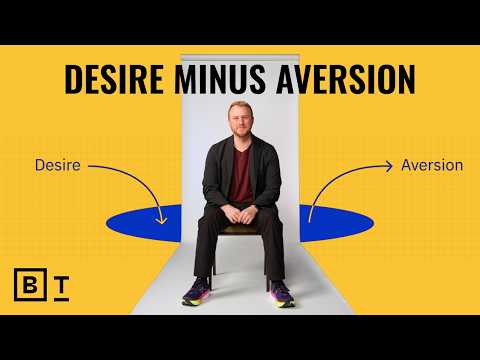
Tasks can feel aversive if they are boring, frustrating, unpleasant, unstructured, distant in time, or disconnected from values. Procrastination is a natural human response to aversion. Bailey suggests tactics like shrinking resistance (e.g., reducing meditation time from 45 to 10 minutes) and aversion journaling—writing about why a task feels unpleasant—to overcome procrastination.
Keeping a comprehensive list of all current goals, reviewed weekly, helps manage cognitive load and prioritize effectively.
Bailey discusses the challenges of maintaining focus amid constant digital distractions fueled by novelty bias and dopamine hits from apps and notifications.
Research shows the median focus span on a computer is just 40 seconds, dropping to 35 seconds with a phone nearby. Multitasking is actually rapid task-switching, which leads to "attention residue," reducing efficiency.
Hyperfocus involves four steps:
This process is similar to meditation and leads to flow states where time seems to disappear.
Adjust your external environment (e.g., silence phone, close office door) and internal environment (calm mind) to protect focus. Recognize your role's balance between focused and collaborative work and set signals accordingly.
Scatter focus is deliberate mind-wandering during habitual activities like walking or showering. It fosters creativity and future planning, with studies showing we think about future goals 14 times more during mind-wandering than focused work.
Bailey encourages taking effortless breaks that allow the mind to roam, connecting past experiences, present challenges, and future plans.
The quality of information we consume shapes the ideas and thoughts we generate. Bailey prefers books over random news to foster deeper reflection and meaningful connections.
Chris Bailey's insights reveal that true productivity is not about doing more but about doing what matters through intentionality, aligning goals with core values, managing aversion, and mastering focus. By understanding and applying these principles, individuals can improve their productivity and lead more meaningful, fulfilling lives.
This comprehensive approach to productivity challenges conventional wisdom and offers practical, research-backed strategies for anyone looking to finish what they start and live intentionally.