This blog post discusses the use of finasteride and dutasteride for treating androgenetic alopecia, addressing common questions about their effectiveness, potential combinations, and the importance of consulting a dermatologist for proper diagnosis and treatment.
In the realm of hair loss treatments, particularly for androgenetic alopecia, finasteride and dutasteride are two commonly discussed medications. This blog post aims to clarify their uses, effectiveness, and whether they can be combined or alternated based on common queries from individuals experiencing hair loss.
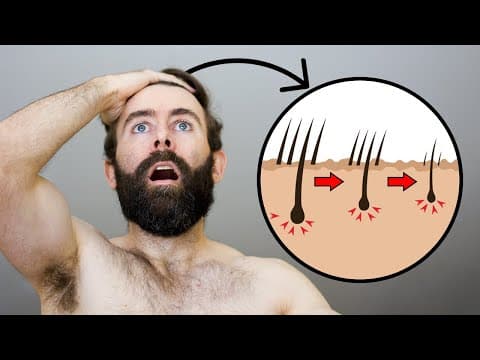
Androgenetic alopecia, often referred to as male or female pattern baldness, is characterized by a specific pattern of hair loss. It is crucial to identify whether your hair loss is indeed due to this condition. If you suspect your alopecia might stem from other causes, such as stress or improper hair care products, consulting a dermatologist is advisable for an accurate diagnosis.
A common question arises regarding how to determine if one has androgenetic alopecia. A visual assessment using the Norwood Hamilton scale can be helpful. For instance, if hair loss is localized at the temples and follows a pattern similar to Norwood 3, it is highly likely to be androgenetic alopecia. In contrast, hair loss caused by stress or adverse reactions to products typically presents as diffuse thinning across the scalp.
Minoxidil is a topical treatment often used for hair loss. However, it is important to note that minoxidil does not possess antiandrogenic properties and is not sufficient as a standalone treatment for androgenetic alopecia. It may be effective in very mild cases but should ideally be combined with an antiandrogen treatment for better results.
Both finasteride and dutasteride are antiandrogen medications that inhibit the activity of the 5 alpha reductase enzyme, which plays a significant role in hair loss.
For individuals diagnosed with androgenetic alopecia, it is recommended to use an antiandrogen treatment such as finasteride or dutasteride. In cases where finasteride alone does not yield satisfactory results, combining it with saw palmetto may enhance effectiveness. Saw palmetto inhibits the type 1 enzyme, potentially providing a synergistic effect when used alongside finasteride.
Yes, combining finasteride with saw palmetto can be beneficial due to their different mechanisms of action on the 5 alpha reductase enzyme. This combination may enhance the overall effectiveness of the treatment.
No, combining dutasteride with saw palmetto is not recommended. Dutasteride is already more effective than saw palmetto in inhibiting both types of the 5 alpha reductase enzyme, making the combination redundant.
Alternating between finasteride and dutasteride is not commonly practiced and lacks rigorous studies to support its efficacy. However, if a patient experiences significant side effects from dutasteride, they might consider using finasteride or adjusting the dosage of dutasteride instead.
In summary, finasteride and dutasteride are both effective treatments for androgenetic alopecia, but they serve different roles. While combining finasteride with saw palmetto can be beneficial, combining dutasteride with saw palmetto does not provide additional advantages. If you are experiencing hair loss, it is essential to consult a dermatologist for a proper diagnosis and tailored treatment plan.
For those seeking to understand the best medications for combating androgenetic alopecia, further research and professional guidance are crucial.