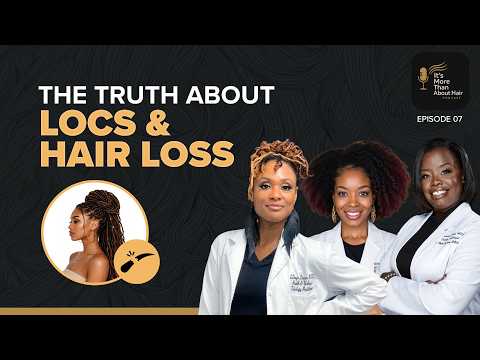
This comprehensive article explores the relationship between locs and hair growth, debunking myths about locs being low-maintenance or inherently protective. Experts discuss the importance of scalp care, proper maintenance, and addressing underlying causes of hair loss. They emphasize education for both clients and locticians to ensure healthy hair and scalp, and when cutting locs may be necessary to prevent further damage.
Hair is often described as a crown we wear, symbolizing identity, confidence, and beauty. For many, locs represent a natural and stylish way to wear their hair. However, there are many questions and myths surrounding locs, especially regarding their impact on hair growth and hair loss. This article delves into the truth about locs and hair loss, featuring insights from tririccologists and hair care professionals.
When examining hair loss, one key indicator professionals look for is the presence of hair bulbs. These are small white bulbs at the tip of hair strands, which indicate that hair has been pulled out from the follicle. In the context of locs, heavy or overly tight locs can cause hair to rip out, leaving these bulbs attached to the locs. This is a clear sign of hair loss caused by tension and weight.
Locticians are specialists who install and maintain locs, but many may not be fully equipped to handle hair loss issues. Tririccologists, on the other hand, are trained to analyze scalp and hair health deeply and can identify root causes of hair loss. They provide holistic treatment plans that address both scalp health and internal factors affecting hair growth.
Many professionals in the hair industry pursue tririccology certification after encountering clients with hair loss issues they cannot adequately address. This education allows them to better serve clients by identifying scalp conditions, nutritional deficiencies, and other underlying causes of hair loss.
Contrary to popular belief, locs are not a "set it and forget it" hairstyle. Proper maintenance includes regular washing, moisturizing, and retwisting. Neglecting these can lead to scalp issues, buildup, and ultimately hair loss.
While locs can be a protective style, the way they are installed and maintained matters greatly. Instant or "microwave" locs, where hair is very short but styled into long locs, can cause damage because the hair and scalp are not ready for the tension and weight. Protective styling should focus on the health of the hair and scalp, not just covering hair.
Before starting locs, consultations are crucial. Professionals should assess the client's lifestyle, expectations, and hair health. Clients need to understand that locs require commitment to maintenance, including regular appointments for retwisting and proper hair care at home.
Regular shampooing is essential to keep the scalp clean and healthy. Many clients mistakenly believe they should avoid washing locs, but this leads to buildup and scalp issues. Moisturizing should focus on the hair strands rather than the scalp, as the scalp naturally produces oils.
Satin bonnets and pillowcases help reduce friction and lint buildup in locs, which cotton materials can exacerbate. This helps maintain the integrity and appearance of locs.
A healthy scalp is the foundation for healthy hair growth. Poor scalp health can lead to thinning, breakage, dryness, and miniaturization of hair strands. Internal health factors such as nutrition, hydration, and lifestyle choices also play a significant role.
Sometimes, despite best efforts, locs may need to be cut to preserve hair and scalp health. Signs include significant thinning at the roots, heavy locs pulling on fragile hair, or areas of baldness. Cutting locs can relieve tension and allow the scalp to recover. Modern techniques even allow for reattachment of locs after cutting.
Shedding is a natural process, but excessive shedding or thinning should not be ignored. In locs, shedding hair often gets trapped within the locks, which can mask the problem. Ignoring early signs can lead to bald spots and more severe hair loss.
Education is key for both locticians and clients. Locticians should seek training in tririccology or scalp health to confidently address hair loss issues and guide clients properly. Clients should be informed about realistic expectations, maintenance routines, and the importance of addressing underlying health issues.
Locs can be a beautiful and empowering hairstyle, but they are not a guaranteed solution for hair growth or hair loss prevention. Proper care, maintenance, and addressing the root causes of hair loss are essential. A healthy body and scalp lead to healthy hair. If you are considering locs or currently have them, prioritize scalp health, seek professional advice, and be open to making necessary changes to maintain your crown.
For more tips and personalized advice, consider consulting with certified tririccologists and hair care professionals who specialize in natural hair and scalp health.