Donald Trump recently signed an executive order to fast-track the approval of psychedelic medicines as a new approach to address America's mental health crisis, highlighting the limitations of traditional antidepressants. While psychedelics offer a promising therapy-based treatment, caution is urged against commercialization that may undermine their effectiveness.
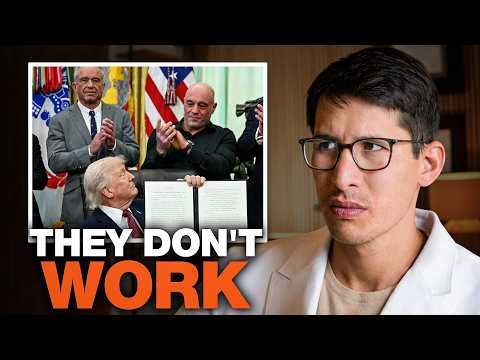
Yesterday, former President Donald Trump signed a groundbreaking executive order aimed at accelerating the approval of psychedelic medicines to combat the ongoing mental health epidemic in America. During the press conference, Trump and his advisers addressed the growing concerns about the failure of traditional antidepressants to adequately address this crisis.
Antidepressants are currently the most prescribed class of medications in the United States, with over 20% of women and 10% of men taking them. However, their effectiveness is highly questionable. Research, including the largest study ever conducted on antidepressants known as the STAR*D trial, found that only about 35% of patients responded positively to these medications after cycling through multiple antidepressants over the course of a year. This response rate is short-term and diminishes over time.
One major problem with antidepressants is that their effects tend to wear off over time. Many patients require increasing doses or additional medications, leading to polypharmacy where some individuals take three or more psychiatric medications simultaneously. This approach often masks symptoms rather than addressing underlying causes, resulting in a lack of sustainable long-term mental health improvement.
Despite their limited effectiveness, antidepressants remain widely prescribed due to systemic issues within healthcare. Since the 1990s, health insurance companies have consolidated, gaining significant bargaining power to set low reimbursement rates for doctors. This has forced healthcare providers to see more patients in less time, often limiting appointments to just a few minutes. Under these constraints, prescribing medications becomes the most feasible option, as it is quicker and more scalable than providing comprehensive mental health care involving lifestyle changes, therapy, and skill-building.
Psychedelic medicines represent a novel approach to mental health treatment. Unlike traditional antidepressants, psychedelics are administered alongside therapy, making the treatment process more interactive and personalized.
Clinical research on psychedelics involves patients working closely with trained therapists. Before taking the psychedelic, patients set intentions by identifying specific beliefs or roadblocks they want to address, such as overcoming trauma or substance abuse. During the psychedelic experience, therapists guide patients to gain new perspectives on their problems. Afterward, patients continue therapy sessions to integrate these insights into their daily lives.
This approach requires active participation from patients, contrasting with the passive symptom-masking model of antidepressants. Psychedelic therapy encourages patients to take control of their mental health journey, potentially leading to more sustainable outcomes.
During the press conference, a veteran shared his experience, stating that psychedelic treatment saved his life, helped him get off opiates, stopped the use of a nerve stimulator, and allowed him to sleep for the first time in over a decade. Such testimonials highlight the transformative potential of this treatment.
Despite the promise of psychedelics, there is a significant risk of commercialization and misuse. History shows that new medical interventions often attract bad actors who prioritize profit over patient care.
Companies like For Hims and For Hers have been criticized for offering antidepressants through online platforms with minimal patient interaction, often diagnosing and prescribing medications via brief chats without face-to-face consultations. This model neglects comprehensive care and can lead to inappropriate medication use.
There is concern that similar practices could emerge with psychedelics, where companies might sell the drugs without proper therapeutic support or hire underqualified therapists. Such practices would undermine the core therapeutic value of psychedelics and could result in ineffective or harmful outcomes.
Yesterday's executive order marks a significant advancement in mental health care by expanding treatment options. Psychedelic medicines, when combined with therapy, offer a promising alternative to traditional antidepressants.
However, the fight is far from over. It is crucial to hold providers of psychedelic medicine to rigorous standards to ensure treatments are delivered responsibly and effectively. Without proper oversight, the mental health system risks repeating past mistakes, offering quick fixes that fail to address the root causes of mental illness.
The future of mental health care depends on balancing innovation with caution, ensuring that new treatments truly benefit patients in the long term.