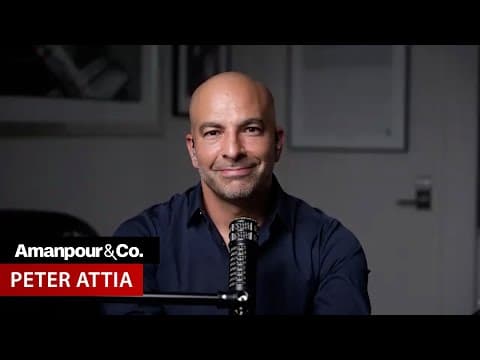
Dr. Peter Attia emphasizes the importance of distinguishing between lifespan and health span in his book 'Outlive.' He advocates for preventative health measures, including exercise, nutrition, sleep, and emotional well-being, to enhance both the length and quality of life.
In a recent discussion, Dr. Peter Attia shared insights from his new book, "Outlive: The Science and Art of Longevity," focusing on how to live not just longer, but healthier. He emphasizes the importance of preventative health measures over reactive treatments, aiming to improve both lifespan and health span.
Dr. Attia makes a crucial distinction between lifespan and health span. Lifespan refers to the total number of years one lives, while health span focuses on the quality of those years. He argues that the medical system often prioritizes lifespan, neglecting the quality of life that comes with it.
To truly manage health, Dr. Attia believes we must define metrics around cognitive, physical, and emotional well-being. He encourages patients to consider what they want to achieve in the last decade of their lives, such as being able to travel or play with grandchildren, which requires deliberate planning and training.
Dr. Attia studied centenarians and found that they experience chronic diseases about 20 to 30 years later than expected. Interestingly, many centenarians do not adhere to what we typically consider healthy lifestyles; they may smoke, drink, and exercise less than average. However, they possess a genetic advantage that allows them to delay the onset of chronic diseases.
While we may not inherit the same genetic advantages, Dr. Attia suggests that we can adopt other tools—such as nutrition, exercise, sleep, and stress management—to achieve similar benefits.
Dr. Attia emphasizes that exercise is the most effective intervention for enhancing both lifespan and health span. High levels of cardiorespiratory fitness and muscle strength are better predictors of longevity than many traditional health metrics.
He recommends a balanced exercise regimen that includes:
For those with limited time, Dr. Attia advises focusing on whatever exercise they can manage, while also encouraging them to commit to a realistic weekly exercise schedule.
Dr. Attia discusses his evolving views on nutrition, particularly regarding popular diets like keto. He stresses the importance of understanding nutrition through the lens of biochemistry rather than strict diets.
The key to nutrition is managing energy balance—ensuring that individuals are neither overnourished nor undernourished. He outlines three strategies for reducing energy intake:
Dr. Attia highlights sleep as a critical component of health. He argues that evolution has preserved the need for sleep because it serves essential functions for brain health, memory consolidation, and metabolism. Poor sleep can contribute to various health issues, including obesity and insulin resistance.
Dr. Attia critiques the current healthcare system, which often incentivizes reactive treatments over preventative measures. He advocates for a shift towards proactive health management, where physicians are trained and reimbursed for preventative care rather than just treating diseases after they occur.
For individuals seeking to improve their health, Dr. Attia recommends being aware of specific health metrics:
Dr. Attia emphasizes the significance of emotional health, stating that a fulfilling life is essential for longevity. He notes that strong relationships and a sense of purpose correlate with happiness and, consequently, a longer life.
In summary, Dr. Peter Attia's approach to longevity encompasses a holistic view of health that includes physical fitness, nutrition, sleep, and emotional well-being. By focusing on these areas, individuals can enhance both the length and quality of their lives, ultimately leading to a healthier, happier existence.