Dr. Rachel Rubin, a urologist and intimacy expert, discusses the critical gaps in women's sexual health education, hormone therapy, and the importance of communication in relationships. She highlights the biological and psychological factors affecting women's pleasure, the role of hormones, and how better understanding and treatment can improve quality of life and intimacy.
Dr. Rachel Rubin, a renowned urologist and intimacy expert, sheds light on the often overlooked and misunderstood aspects of women's sexual health. In a comprehensive discussion, she addresses the biological, hormonal, and educational gaps that affect women's sexual pleasure and overall health, and offers insights into how better knowledge and communication can transform relationships.
Dr. Rubin emphasizes the significance of vaginal hormones, particularly estradiol cream, which can be applied twice a week to the vaginal walls. This treatment helps prevent pain and dryness during sex, enhances arousal and orgasm, and is even more effective than Viagra for women. Moreover, it plays a crucial role in preventing urinary tract infections (UTIs), which can be life-threatening if untreated.
Despite its benefits, more than 75% of women who could benefit from such treatments are not receiving prescriptions, largely due to a lack of education among healthcare providers.
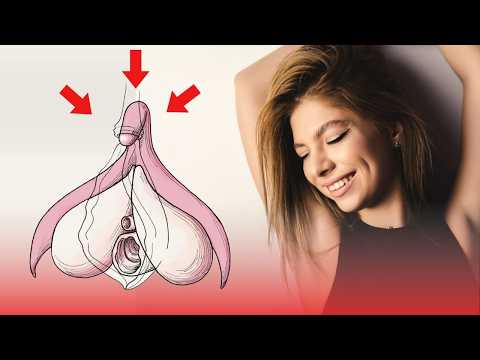
A startling revelation is that the word "clitoris" is not included in the checklist of what OB/GYNs must learn during their training in 2026. This lack of education contributes to many women not understanding their own bodies, leading to misconceptions such as the belief that orgasm primarily comes from penetration, whereas the clitoris is the main source of orgasm for most women.
Dr. Rubin expresses frustration that even affluent women with access to top medical care often receive inadequate information about hormone therapy, menopause, and sexual health. This systemic failure affects women across all socioeconomic levels.
Hormones, including estrogen, progesterone, and testosterone, play vital roles in women's sexual health. Testosterone, often mislabeled as a male hormone, is crucial for libido, arousal, and orgasm in women and begins to decline in the 30s.
Birth control pills, while effective for contraception, can lower testosterone levels, potentially leading to decreased libido and sexual discomfort in some women. Dr. Rubin advises that women experiencing such side effects should discuss alternative birth control methods with their healthcare providers.
Hormone Replacement Therapy (HRT) is another critical topic. Despite past controversies stemming from misinterpreted studies, current research shows that HRT, when properly administered, is safe and beneficial for managing menopausal symptoms, preventing osteoporosis, and improving quality of life.
GSM refers to the hormonal changes affecting the genital and urinary systems, leading to symptoms like dryness, pain during sex, urinary frequency, urgency, leakage, and recurrent UTIs. Vaginal hormones, including estradiol and DHEA, can effectively treat these symptoms and are safe for women of all ages, including those who are breastfeeding or elderly.
Dr. Rubin highlights that common advice such as "pee after sex" or "wipe front to back" lacks strong scientific backing, whereas vaginal hormone therapy has proven efficacy in preventing UTIs and improving sexual function.
The pelvic floor muscles play a significant role in sexual function. Tight or dysfunctional pelvic floor muscles can cause pain during sex, difficulty with penetration, and problems achieving orgasm. Pelvic floor physical therapy can help address these issues.
Additionally, stress, burnout, and mental health challenges can lead to a "dopamine drain," reducing libido and sexual desire. Scheduling sex and creating intentional time for intimacy can help counteract these effects.
Approximately 20% of women report difficulty achieving orgasm, a stark contrast to men. This disparity is largely due to a lack of education about female anatomy and sexual response. Most women orgasm through clitoral stimulation rather than penetration.
Dr. Rubin explains the concept of clitoral adhesions, where the clitoral hood sticks to the clitoris, affecting sexual pleasure. This condition affects about 23% of women and can be treated with a simple office procedure, significantly improving sexual satisfaction.
Pornography often caters predominantly to male preferences, which can distort perceptions of sex and pleasure. Dr. Rubin advocates for curiosity and communication between partners to understand individual desires and needs.
She stresses the importance of open conversations about sex, pleasure, and boundaries outside of the bedroom to foster intimacy and mutual satisfaction.
Effective communication is the cornerstone of healthy sexual relationships. Dr. Rubin and the host discuss how vulnerability and empathy can transform conflicts and misunderstandings into opportunities for growth.
They emphasize that there is often no "bad guy" in sexual mismatches; rather, partners need to work together to understand and meet each other's needs.
Dr. Rubin calls for better education for both patients and healthcare providers about the biology of women's sexual health. She encourages women to advocate for themselves and seek care from knowledgeable clinicians.
She also acknowledges the challenges of practicing what she preaches, highlighting the importance of self-care and intentionality in maintaining sexual health and relationships.
For those interested in learning more, Dr. Rubin recommends visiting her website rachelrubinmd.com and following her on Instagram for the latest research, education, and advocacy in women's sexual health.
This masterclass with Dr. Rachel Rubin reveals the critical need for improved education, communication, and medical care in women's sexual health. Understanding the biological underpinnings, addressing hormonal changes, and fostering open dialogue can significantly enhance intimacy, pleasure, and overall quality of life for women and their partners.