As Egypt approaches Ramadan, the government announces financial aid measures amidst economic challenges, including cash support for low-income families and discussions about potential currency devaluation. Experts express concerns about the sustainability of these measures and the overall economic situation.
As the holy month of Ramadan approaches, the Egyptian government is making significant announcements regarding financial aid and economic measures aimed at supporting citizens during this challenging time. This blog post will explore the recent developments, the implications of government decisions, and the broader economic context in Egypt.
In a bid to alleviate the financial burden on low-income families, the government has announced that 10 million families will receive an additional 125 Egyptian pounds on their food subsidy cards. This measure is intended to provide some relief during Ramadan, a month traditionally associated with increased spending on food and celebrations.
Additionally, families enrolled in the "Takaful and Karama" program, which supports the most vulnerable segments of society, will receive 300 Egyptian pounds each during Ramadan. This initiative aims to help those who are most in need, including widows, orphans, and the elderly.
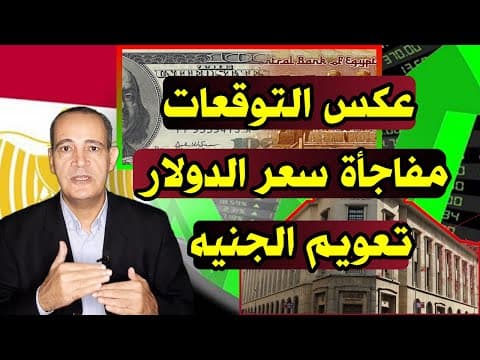
Despite these measures, there are growing concerns about the sustainability of the Egyptian economy. Experts warn that if the International Monetary Fund (IMF) delays its meetings regarding Egypt's financial program, the country may face a significant currency devaluation. This could lead to a scenario where the Egyptian pound could drop to 31 or even 51 pounds against the dollar, exacerbating the economic crisis.
The IMF's involvement is crucial for Egypt, as the country relies on international loans to stabilize its economy. However, the recent postponement of meetings has raised alarms among economists and market participants, who fear that the lack of support could lead to further economic instability.
Economic experts in Egypt have expressed frustration over the government's handling of the economic situation. Dr. Hani Tawfiq, a prominent economist, has publicly stated that he will no longer provide investment advice due to the deteriorating conditions. His recent comments highlight the growing disillusionment among economists regarding the government's economic policies.
The public's response to the government's announcements has been mixed. While some welcome the financial aid, many are skeptical about its adequacy in addressing the rising costs of living. The increase in utility prices and inflation has left many families struggling to make ends meet, leading to calls for more substantial and immediate support.
As Egypt enters Ramadan, the government's financial aid measures aim to provide some relief to struggling families. However, the looming threat of currency devaluation and the overall economic instability raise serious concerns about the effectiveness of these initiatives. The coming weeks will be critical as the government navigates these challenges and seeks to stabilize the economy while ensuring that the needs of its citizens are met during this important month.