Elisapie's New Album: A Tribute to Heritage and Healing Through Music
Elisapie's latest album features covers in Inuktitut, blending personal stories of loss and cultural heritage, while highlighting the therapeutic power of music.
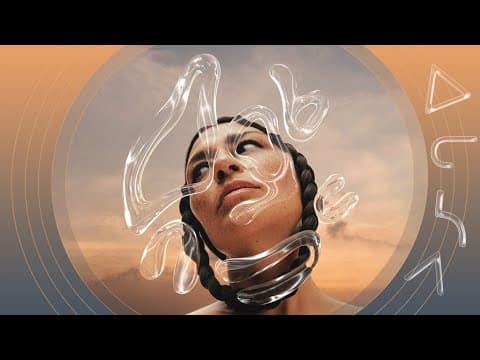
Elisapie, a talented artist from Salluit, has recently released an album of covers sung in her native Inuktitut. This project is not just a collection of songs; it is a deeply personal journey that intertwines her memories, cultural heritage, and the therapeutic power of music.
A Personal Connection to Music
In her album, Elisapie revisits songs that have significantly impacted her life. One of the standout tracks is her rendition of Metallica's "The Unforgiven," a song she listened to religiously during her teenage years. The emotional weight of this song resonates with her, as she recalls the tears shed while creating her music.
Another poignant track is Queen's "I Want to Break Free," which holds special significance for Elisapie. She shares a touching memory of dancing to this song with her cousin Tayara, who tragically passed away. This album serves as a tribute to him, as well as to all those who have lost their lives to suicide. Elisapie expresses her desire to honor her cousin's memory and to acknowledge the struggles faced by young people today in finding their freedom and identity.
A Therapeutic Journey
Elisapie describes the album as a form of therapy, a way to process her grief and connect with her roots. She emphasizes that through this music, she has found a sense of liberation and light. The album is not only a personal healing journey for her but also a message to her cousins and loved ones that they are not forgotten.
The Importance of Language and Culture
The process of creating this album was not without its challenges. Translating the songs into Inuktitut required a year of hard work and obtaining the necessary permissions. Elisapie highlights the importance of language in preserving culture, stating that this album is a testament to the vitality of the Inuktitut language.
The response to her album has been overwhelmingly positive, with fans and admirers praising her initiative to bring Indigenous languages into the digital music space. Notably, Debbie Harry from Blondie was one of the first to personally reach out to Elisapie, sharing her appreciation for the project on social media.
Music as a Bridge Between Darkness and Light
Elisapie believes in the incredible power of music to reconcile darkness and light. Her album stands as a testament to this belief, showcasing how music can serve as a bridge between personal pain and collective healing. Through her art, she embodies the resilience of her community and the enduring spirit of her culture.
In conclusion, Elisapie's new album is more than just a collection of covers; it is a heartfelt tribute to her heritage, a personal healing journey, and a powerful reminder of the importance of language and cultural expression. Through her music, she invites listeners to reflect on their own experiences of loss and healing, making her work both relatable and inspiring.