Elon Musk's Starlink satellites are contributing to an alarming increase in space debris, with an average of 1-2 satellites re-entering Earth's atmosphere daily. Experts warn of potential risks to human safety and astronomical research due to this growing problem.
In recent discussions, experts have raised concerns about the increasing amount of space debris generated by Elon Musk's Starlink satellites. With the launch of thousands of satellites, the risk of falling space junk has become a pressing issue, prompting scientists to warn about the potential dangers associated with this phenomenon.
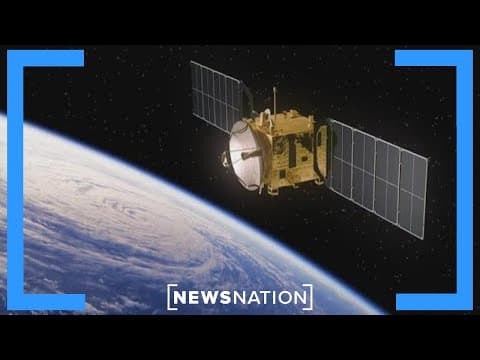
According to space trackers, Starlink satellites are producing significant amounts of orbital debris, leading to an average of 1 to 2 satellites re-entering Earth's atmosphere every day. This alarming statistic highlights the urgent need to address the issue of space junk, which poses risks not only to satellites but also to human safety on the ground.
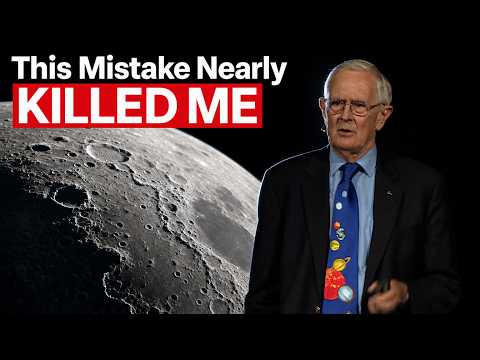
Dr. Avi Loeb, a prominent astronomer from the Harvard-Smithsonian Center for Astrophysics, emphasizes the dangers associated with falling satellite fragments. The Federal Aviation Administration (FAA) estimates that the likelihood of a person being struck by debris from satellite re-entries is approximately 1 in 1,000, which translates to a 61% chance of danger over a lifetime. With SpaceX having launched around 2,000 satellites, this number is expected to increase significantly, potentially leading to tens of thousands of satellites in orbit.
The environmental impact of these satellites extends beyond the risk of falling debris. The operation of numerous satellites contributes to atmospheric pollution, raising concerns about the long-term effects on the ozone layer and overall environmental health. As the number of satellites increases, so does the potential for damaging the delicate balance of our atmosphere.
Satellites are designed to operate for about five years before they lose the ability to maintain their orbit. Ideally, they should burn up upon re-entry into the atmosphere, minimizing the risk of fragments reaching the ground. However, some fragments can survive the descent, leading to potential damage to property or even human lives. This situation underscores the need for better management of satellite lifecycles and re-entry protocols.
In addition to the risks posed to human safety, the proliferation of satellites also affects astronomical research. The brightness of these satellites can interfere with observations, creating streaks in the night sky that hinder astronomers' ability to gather accurate data. For instance, the Rubin Observatory in Chile has reported difficulties in conducting observations due to the interference caused by existing satellites.
Currently, there are approximately 12,000 satellites in orbit, with around 8,000 belonging to Elon Musk's Starlink project. The sheer number of objects in space raises concerns about the potential for collisions, which could create even more debris. As the population of satellites grows, the risk of catastrophic collisions increases, leading to a cascade effect where fragments from one collision could cause further collisions with other satellites.
The warnings from experts like Dr. Loeb serve as a crucial reminder of the challenges posed by the increasing number of satellites in orbit. As we look to the future of space exploration and satellite technology, it is imperative to address the issue of space debris and its implications for both human safety and scientific research. The call to action is clear: we must be aware of the risks from above and take steps to mitigate the growing threat of space junk.