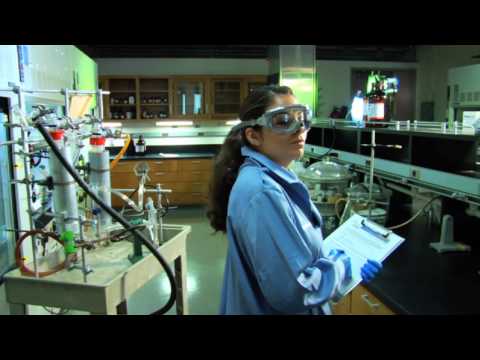
This article outlines critical fire safety protocols for laboratory environments, emphasizing hazard recognition, thorough evaluations, and personal protective measures to ensure safety and preparedness in case of fire emergencies.
Fire safety in laboratory settings is a crucial aspect of maintaining a safe working environment. Given the complexity of laboratory activities, it is essential to have a comprehensive understanding of fire and life safety protocols. This article will explore three critical components of fire safety readiness in laboratories: recognizing hazards, evaluating the laboratory environment, and protecting oneself.
The first step in ensuring fire safety is to identify potential hazards within the laboratory. Utilizing tools such as the UCLA laboratory inspection checklist and the laboratory hazard assessment tool can help in this process. It is important to keep copies of these documents in your laboratory manual for easy reference.
Once hazards are identified, appropriate steps can be taken to mitigate their risks. This includes:
A thorough evaluation of the laboratory is essential for maintaining safety. This evaluation should include:
Personal protective equipment (PPE) is essential for ensuring individual safety in the laboratory. Key recommendations include:
Knowing the location and operation of emergency equipment is vital. Emergency showers and eyewash stations should be accessible within 10 seconds. In the event of a fire:
In case of a fire, it is crucial to report it immediately. Use campus phones to dial 911 or 310-825-1491 from a cell phone. Provide the operator with vital information, including the location and nature of the fire.
All personnel should be trained in the use of fire extinguishers. Key points include:
In summary, fire safety in laboratories is a multi-faceted responsibility that involves recognizing hazards, evaluating the environment, and protecting oneself through proper PPE and emergency preparedness. By following these protocols, laboratory personnel can significantly enhance their safety and that of their colleagues, ensuring a secure working environment for everyone involved. Fire and life safety preparedness is not just a regulatory requirement; it is essential for the health and safety of the entire community.