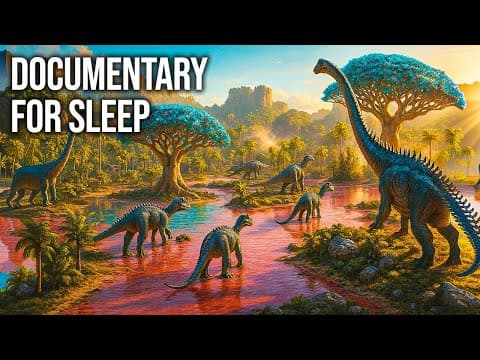
This blog post delves into Earth's geological history before the formation of Pangaea, exploring ancient supercontinents like Rodinia, Nuna, and Kenorland. It discusses the dynamic processes of plate tectonics, the evolution of life, and the impact of climate changes, cosmic events, and volcanic activity on the planet's development. Through a narrative journey, readers will gain insights into the ever-changing nature of Earth and the significance of its geological past.
Welcome to a journey through time, where we explore the ancient landscapes of Earth that existed long before the formation of the supercontinent Pangaea. This exploration takes us back billions of years, revealing a world shaped by geological processes, climate changes, and the evolution of life.
When we think of Earth's history, Pangaea often comes to mind as the most famous supercontinent. However, it is crucial to understand that Pangaea was not the first supercontinent to exist. In fact, Earth has a long history of continental assembly and breakup, a cycle that has occurred multiple times over billions of years.
The process of supercontinent formation is driven by plate tectonics, where the Earth's crust is divided into tectonic plates that float on the semi-fluid mantle beneath. These plates move slowly, sometimes colliding to form supercontinents, and at other times drifting apart to create oceans. This cycle has repeated several times, with each supercontinent leaving its mark on the planet's geology and climate.
Rodinia existed approximately 1.1 billion years ago and was one of the largest supercontinents before Pangaea. Unlike Pangaea, which had a rich diversity of life, Rodinia was a barren landscape dominated by microbial life. The breakup of Rodinia led to significant climatic changes, including the onset of the Snowball Earth events, where ice sheets may have covered much of the planet.
Before Rodinia, there was Nuna, also known as Colombia, which existed around 1.5 billion years ago. This supercontinent was characterized by a lack of complex life, with most organisms being microbial. The assembly of Nuna played a crucial role in the rise of oxygen levels in the atmosphere, setting the stage for future evolutionary developments.
Going even further back, Kenorland formed around 2.7 billion years ago. It was one of the first recognizable supercontinents and marked a significant milestone in Earth's geological history. The formation of Kenorland coincided with the Great Oxidation Event, which dramatically changed the atmosphere and paved the way for more complex life forms.
The movement of tectonic plates is a fundamental aspect of Earth's geological history. As these plates shift, they can create mountains, open and close oceans, and alter climate patterns. The process of plate tectonics is not static; it is a dynamic system that continuously reshapes the planet.
The supercontinent cycle is characterized by periods of continental assembly followed by breakup. Each cycle has profound implications for Earth's climate, ocean circulation, and the evolution of life. For instance, when continents cluster together, they can create dry interiors and extreme climates, while their breakup can lead to the formation of shallow seas that promote biodiversity.
Throughout Earth's history, climate has fluctuated dramatically. Before Pangaea, the planet experienced periods of extreme cold and heat, influenced by the arrangement of continents and ocean currents. These climate shifts often triggered mass extinctions and shaped the course of evolution.
Earth has also been shaped by cosmic events, such as asteroid impacts. These events have the potential to cause widespread destruction, but they can also create opportunities for new life forms to emerge. For example, the impacts during the Ordovician and Devonian periods coincided with significant extinction events, reshaping marine ecosystems.
Before the rise of complex life, Earth was dominated by microbial organisms. These simple life forms played a crucial role in altering the atmosphere and paving the way for more complex organisms. The transition from microbial life to multicellular organisms marked a significant turning point in Earth's history.
The emergence of the first forests transformed the landscape, creating new habitats and altering the atmosphere. As forests spread, they increased oxygen levels and provided new niches for life to thrive. This period saw the rise of giant arthropods and the first amphibians, which began to explore the land.
The assembly of Pangaea was not a sudden event but rather the culmination of millions of years of geological processes. As continents converged, they created a supercontinent that reshaped Earth's climate and ecosystems. The collision of landmasses led to the formation of mountain ranges and altered ocean currents, impacting the distribution of life.
As we reflect on Earth's ancient landscapes, it becomes clear that the planet is in a constant state of change. The supercontinent cycle, climate fluctuations, and cosmic events have all played a role in shaping the world we know today. Understanding this history not only provides insight into our planet's past but also reminds us of the fragility and resilience of life.
In the end, the story of Earth is one of transformation, where each chapter builds upon the last, leading us to the present and beyond. As we continue to explore and learn, we can appreciate the beauty and complexity of our ever-changing planet.