Eshaan Patheria, a post-doctoral scholar at Caltech, discusses the journey of renewable energy technologies, particularly lithium-ion batteries, from lab discovery to real-world impact, emphasizing the importance of addressing climate inequity in developing countries. He shares insights from his work on energy access in India and the challenges of scaling battery technology for global use.
In a recent masterclass, Eshaan Patheria, a post-doctoral scholar at Caltech, shared his insights on renewable energy technologies, focusing on lithium-ion batteries and their potential to address energy access in developing countries. His work emphasizes the importance of scaling these technologies to combat climate change and promote energy equity.
Eshaan Patheria is dedicated to developing high energy density lithium-ion battery cathodes using low-cost, scalable raw materials. His commitment to expanding access to clean energy led him to partner with the NGO Graham Vikas to establish India's first lithium-ion battery-powered microgrid in Kalahandi, Odisha. With a background in chemistry and physics from Harvard University and a PhD from Caltech, Patheria is well-equipped to tackle the challenges of renewable energy technology.
Patheria's presentation revolved around a central question: How do new scientific innovations transition from the lab to real-world applications, particularly in the context of renewable energy? He framed this inquiry within three sub-questions:
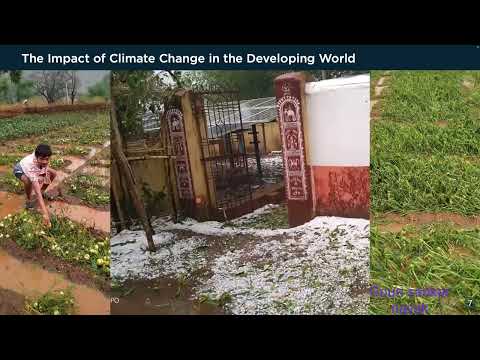
A significant theme in Patheria's talk was climate inequity. He highlighted that those most affected by climate change are often the least responsible for it, particularly in developing countries. This disparity underscores the urgency of deploying renewable energy solutions that can benefit these communities.
Patheria shared two poignant anecdotes from his experiences in India:
These stories emphasize the need for reliable energy sources to improve quality of life and resilience against climate change.
Patheria explained the significance of lithium-ion batteries in renewable energy infrastructure. These batteries are crucial for storing energy generated from intermittent sources like solar and wind. He provided a high-level overview of how batteries work, detailing their components: anode, cathode, and electrolyte, and how lithium ions shuttle between them during charging and discharging.
The journey of battery technology begins in the lab, where researchers develop new materials. Patheria emphasized the importance of understanding the scalability of these innovations, as many promising technologies struggle to transition from small-scale lab experiments to large-scale applications.
Patheria discussed the challenges of scaling battery technology, particularly the reliance on materials like cobalt, which is often sourced from regions with ethical concerns. He highlighted the need for alternative materials that are more abundant and sustainable, such as iron and sulfur, to facilitate the widespread adoption of battery technologies.
Patheria shared his experience leading a project in Maliga, Odisha, where a microgrid was established to provide energy access to a rural community. The project transitioned from outdated lead-acid batteries to modern lithium-ion batteries, significantly improving energy reliability and reducing maintenance challenges. This shift enabled community members to engage in entrepreneurial activities, such as running small businesses and improving agricultural practices.
Eshaan Patheria's masterclass provided valuable insights into the journey of renewable energy technologies from discovery to impact. His emphasis on addressing climate inequity and the importance of scalable solutions resonates deeply in today's context of climate change. By focusing on sustainable materials and community-driven projects, we can work towards a future where clean energy is accessible to all, particularly in developing regions.
As we move forward, it is crucial to advocate for policies that support renewable energy innovations and ensure that the benefits of these technologies reach those who need them most. By fostering collaboration between researchers, policymakers, and communities, we can accelerate the transition to a sustainable energy future.