Mummification is a practice that spans various cultures and time periods, utilizing different techniques to preserve the dead. From accidental mummification in extreme environments to intentional methods like those of the Chinchorro and ancient Egyptians, this blog post delves into the fascinating ways different societies approached the preservation of their deceased, highlighting both natural and human-influenced processes.
When we think of mummies, ancient Egypt often comes to mind, with images of bodies wrapped in linen and tales of curses. However, mummification is a practice that has been observed in various cultures throughout history, each employing unique methods. This blog post will explore the different ways people have made mummies, from accidental preservation to intentional techniques across the globe.
Mummification does not always require human intervention. In certain conditions, bodies can be preserved naturally. Here are some notable examples:
Dating back to between 3300 and 3000 B.C.E., the Gebelein mummies from Egypt were not intentionally mummified. Instead, their preservation resulted from being buried in shallow graves in the hot, dry desert. The arid conditions prevented decomposition, allowing us to see their tattoos even today. One of these mummies shows evidence of having been murdered, with a stab wound to the back.
Another famous accidental mummy is Ötzi, discovered in the Alps. This well-preserved body, dating back to around the same time as the Gebelein mummies, was also preserved due to extreme environmental conditions. The cold temperatures prevented microbial growth, leading to remarkable preservation.
In Iran, bodies found in salt mines have also been preserved accidentally. The salt draws moisture from the bodies and contains antimicrobial properties, further aiding in preservation.
In Denmark, bog bodies like the Haraldskær Woman have been preserved in acidic, oxygen-poor bog water. This environment inhibits the growth of decomposing microbes, resulting in well-preserved remains.
While some mummies are the result of natural processes, many cultures have practiced intentional mummification. Here are a few notable examples:
The Chinchorro people of South America, particularly in the Atacama Desert, began mummifying their dead around 5050 B.C.E. They employed various techniques over time:
This practice lasted for over 3,000 years, showcasing a rich tradition of mummification.
Egyptians are perhaps the most famous mummifiers. The earliest known intentional mummy, the Turin mummy, dates back to around 3500 B.C.E. Egyptian mummification involved several steps:
Different techniques were used based on social status, with more elaborate methods reserved for the elite.
In Austria, a mummy from the mid-1700s was found to have been preserved using a unique method. Instead of removing organs, wood chips and a zinc chloride solution were inserted into the body, preventing decay. This unusual technique suggests a purposeful attempt at preservation, possibly for transportation to a burial site.
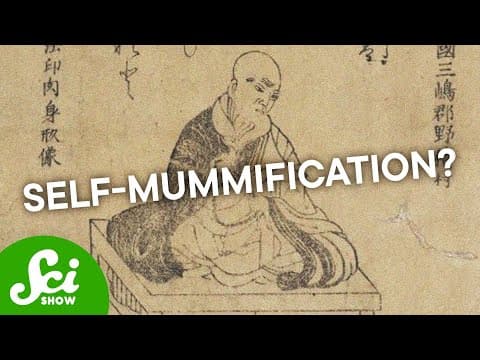
In Japan, some Buddhist monks practiced sokushinbutsu, or self-mummification. This process involved:
This practice aimed to achieve a state of preservation through extreme dehydration and isolation.
In the Aleutian Islands, indigenous communities practiced mummification by removing internal organs and stuffing the body with dry grass. The bodies were then air-dried and placed in a warm, dry cave heated by volcanic vents, allowing for long-term preservation despite the harsh weather conditions.
The Ibaloy people in the Philippines practiced a unique form of mummification involving smoke. After washing the body and dressing it, the deceased was placed over a low fire, allowing smoke to dry and preserve the body over several months. This method was complemented by sun exposure and plant juices.
Mummification is not just a relic of the past. Today, techniques like plastination are used to preserve bodies for educational purposes. This method replaces water and fat in body tissues with polymers, creating durable specimens for study.
Mummification is a fascinating practice that has taken many forms across different cultures and time periods. Whether through natural processes or intentional methods, the goal remains the same: to prevent decay and preserve the body for the afterlife or for future generations. From the deserts of Egypt to the icy Alps, the diverse techniques of mummification reflect humanity's enduring relationship with death and memory.