This blog post delves into the complexities of age gap relationships, particularly the attraction of younger women to older men. It examines societal perceptions, psychological factors, and the implications of power dynamics in these relationships, while also addressing the benefits and drawbacks for both partners.
Age gap relationships, particularly those involving younger women and older men, have long been a topic of societal fascination and scrutiny. This blog post aims to unpack the reasons behind this phenomenon, exploring the psychological, social, and cultural factors that contribute to the appeal of such relationships.
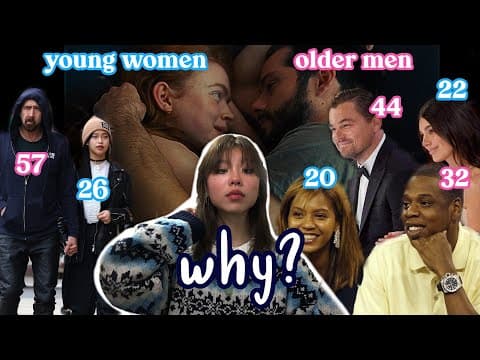
To illustrate the prevalence of age gap relationships, let’s play a quick game: how old is the girl and how old is her boyfriend? For instance, Billie Eilish, at 19, is dating Matthew Tyler Vorse, who is 29. Similarly, in 2013, model Tony Garn was 21 while dating Leonardo DiCaprio, who was 39. These examples highlight a recurring theme in celebrity culture where young women are often paired with significantly older men.
Society often reacts with disdain when young women enter relationships with older men, yet this reaction is rarely accompanied by a deeper exploration of the underlying motivations. The term "daddy issues" is frequently used to explain these dynamics, suggesting that young women are seeking validation from older partners due to a lack of paternal figures in their lives. However, this oversimplification diminishes the complexity of individual experiences and emotional needs.
The term "daddy issues" trivializes serious emotional struggles, reducing them to a humorous stereotype. Psychotherapist Amy Rollo argues that this term minimizes women's attachment needs, leading to a misunderstanding of their motivations. While some young women may indeed seek older partners for validation, it is essential to recognize that not all relationships stem from unresolved childhood issues.
One of the primary reasons younger women are drawn to older men is the perceived maturity and stability they offer. Older men often have more life experience, which can translate into greater emotional intelligence and relationship skills. They are typically less needy and more self-sufficient, allowing for a more balanced partnership.
Financial stability is another significant factor. Older men are often in a better position to provide for their partners, offering experiences and gifts that younger men may not be able to afford. This dynamic can create a sense of security and excitement for younger women, who may feel pampered and valued in these relationships.
Dating an older man can also enhance a young woman's social status. In many social circles, being with an older, successful partner can be seen as a mark of prestige. A study conducted in Kenya revealed that many young women pursue older partners not only for financial support but also to impress their peers with their lifestyle choices.
While there are perceived benefits, age gap relationships are not without their challenges. The most significant concern is the power imbalance that often exists. Older partners may wield greater influence due to their life experience and financial stability, which can lead to manipulation and dependency.
The gifts and experiences provided by older men can create a sense of obligation in younger women, leading to situations where they feel pressured to reciprocate in ways they may not be comfortable with. This dynamic can be particularly problematic in discussions about intimacy and consent, where younger partners may feel coerced into compliance.
Younger women in these relationships often face societal judgment, which can further complicate their experiences. The stigma attached to dating older men can lead to feelings of isolation and defensiveness, sometimes strengthening the bond between partners in a way that is reminiscent of the "Romeo and Juliet effect," where societal disapproval intensifies the couple's commitment to each other.
From the male perspective, dating younger women can also be appealing for various reasons. Older men may feel a sense of pride and validation when they are admired by younger partners. This dynamic can enhance their self-esteem and provide a sense of youthful vitality.
Interestingly, younger women may also be perceived as less demanding financially, which can make them more appealing partners for older men. This perception can lead to a relationship dynamic where the older partner feels less pressure to meet high expectations.
The dynamics of age gap relationships are complex and multifaceted. While there are benefits for both partners, the potential for power imbalances and societal stigma cannot be overlooked. It is crucial for young women to recognize their agency in these relationships and for society to challenge the rigid gender norms that often dictate romantic dynamics.
Ultimately, fostering healthy relationships requires a reevaluation of how we perceive age, maturity, and value in romantic partnerships. By encouraging open dialogue and understanding, we can create a more equitable landscape for all individuals, regardless of age.