This blog post delves into the fascinating lives of cephalopods, including octopuses, squids, and cuttlefish, highlighting their unique abilities, behaviors, and the groundbreaking research being conducted to understand these remarkable creatures that inhabit the depths of our oceans.
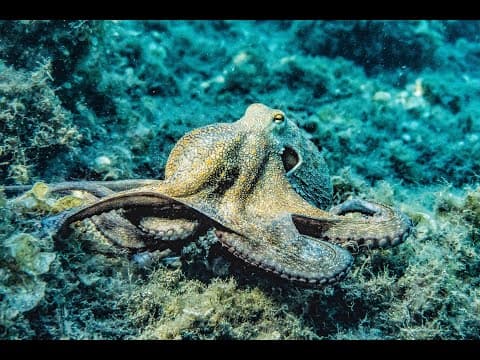
The thought of first contact with intelligent aliens often sparks our imagination. However, one man's quest to reveal the lives and incredible abilities of cephalopods—squid, octopus, and cuttlefish—brings us closer to understanding these alien-like creatures that dwell in the depths of our oceans. With their ability to change shape, communicate through color, and exhibit both flamboyance and danger, cephalopods are among the most remarkable life forms on Earth.
Mike Degree, a passionate biologist turned filmmaker, has dedicated his life to studying and filming these extraordinary animals. His journey takes him to the tropical Pacific, specifically the islands of Palau, where he aims to document the elusive chambered nautilus, a living fossil that resides a thousand feet deep in the abyss.
Filming cephalopods presents unique challenges due to their elusive nature. To capture footage of the nautilus, Degree employs a remote-controlled camera vehicle, capable of diving to depths previously unexplored. The excitement builds as the camera descends into the dark, alien-like landscape of the ocean floor, revealing the nautilus in its natural habitat for the first time.
Cephalopods are a diverse group of animals that have evolved sophisticated features. They are essentially advanced snails with large brains and superb vision, equipped with sucker discs that enhance their predatory skills.
The nautilus, with its chambered shell, has remained relatively unchanged for millions of years. It uses its gas-filled shell to swim and has a formidable beak capable of crushing shells. Unfortunately, Degree's expedition faced a setback when their boat sank, taking with it the unique footage of the nautilus.
Degree's next filming location is Australia, where he studies cuttlefish. Unlike the nautilus, cuttlefish are agile swimmers capable of changing their body color and posture in response to their environment. Their chromatophores allow them to blend seamlessly into their surroundings, making them effective hunters.
The mating rituals of cuttlefish are equally fascinating. Males engage in complex behaviors to ensure their sperm fertilizes the female's eggs, including flushing out rival sperm. This intricate dance of courtship showcases the intelligence and adaptability of these creatures.
Squid are the most numerous of the cephalopods, ranging in size from tiny species to the colossal giant squid. Their mating rituals are spectacular, with females laying hundreds of eggs that provide sustenance for various scavengers after the adults die post-mating. Researchers like Dr. Roger Hanlon and Dr. John Forsyth study squid behavior, revealing their remarkable intelligence and ability to communicate through color changes.
The ocean holds many secrets, including the legendary giant squid. Although no one has ever seen a live giant squid in its natural habitat, researchers continue to explore the depths, uncovering new species and behaviors. The vampire squid, for instance, is a rare sight, known for its bioluminescence and unique adaptations to life in the deep sea.
Mike Degree's exploration of cephalopods offers a glimpse into the wonders of the ocean's depths. These creatures, often perceived as alien, challenge our understanding of intelligence and adaptability in the animal kingdom. As we continue to study and learn about cephalopods, we uncover the mysteries of the deep sea, revealing a world that is as fascinating as it is enigmatic. What other secrets lie beneath the waves, waiting to be discovered?