Exploring the Fascinating World of Chimpanzees: Insights and Observations
This article delves into the intriguing aspects of chimpanzees, highlighting their behaviors, intelligence, and significance in the animal kingdom. It provides a comprehensive overview based on observations and studies, offering readers a deeper understanding of these remarkable primates.
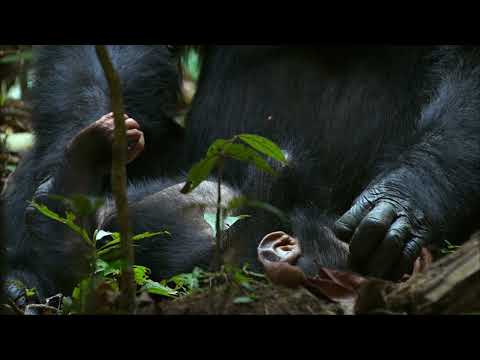
Chimpanzees are among the most intriguing and intelligent creatures in the animal kingdom. Their behaviors, social structures, and cognitive abilities have fascinated scientists and animal enthusiasts alike.
Chimpanzees are great apes native to the forests and savannahs of tropical Africa. They share approximately 98-99% of their DNA with humans, making them our closest living relatives. This genetic similarity is reflected in their complex behaviors and social interactions.
Social Behavior and Intelligence
Chimpanzees live in communities that can range from 20 to over 100 individuals. These communities are characterized by intricate social hierarchies and relationships. They use a variety of vocalizations, facial expressions, and gestures to communicate with one another.
One of the most remarkable aspects of chimpanzees is their use of tools. They have been observed using sticks to extract termites from mounds, stones to crack nuts, and leaves as sponges to soak up water. This tool use demonstrates their problem-solving skills and adaptability.
Importance in Research and Conservation
Studying chimpanzees provides valuable insights into human evolution, behavior, and cognition. Their similarities to humans make them important subjects in fields such as psychology, anthropology, and medicine.
However, chimpanzees face numerous threats in the wild, including habitat loss, poaching, and disease. Conservation efforts are crucial to protect these primates and ensure their survival for future generations.
Conclusion
Chimpanzees are extraordinary animals that offer a window into our own origins and the complexity of life in the animal kingdom. Understanding and preserving them is essential not only for scientific knowledge but also for maintaining biodiversity and ecological balance.