This blog post explores the significant influence of Latin rhythms on early rap music, particularly from the late 1970s to early 1980s. It highlights key tracks and artists that infused Latin percussion into hip-hop, emphasizing the cultural connections between African, Caribbean, and Latin music.
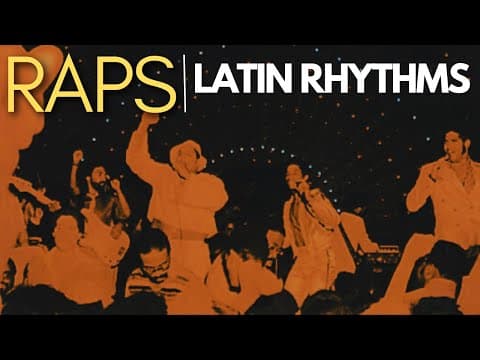
Welcome to the first part of our exploration into the Latin rhythms that shaped early rap music. In this post, we will delve into the significant influence of Latin sounds on hip-hop records from the late 1970s to the early 1980s. This discussion is inspired by the documentary "The Latin Breakdown," which highlights the Latin flavor present in traditional B-boy anthems.
When we refer to Latin rhythms in this context, we are not speaking about the romance languages but rather the African Caribbean connection that shaped various sonic sounds, including Rumba, Guango, Bomba, Salsa, and Merengue. The focus is on the cultural origins from countries like Cuba, Puerto Rico, and the Dominican Republic.
To understand the influence of Latin rhythms in early rap, we must first look at the historical backdrop of percussion instruments such as the conga drum, timbales, and bongos. While all drumming has roots in Africa, the Caribbean developed its unique variations. The conga drums, named after the Congo, reflect the migration of people from regions like Congo, Gabon, and Nigeria, which contributed to the foundation of B-boy anthems.
The first rap record, "Rappers Delight," features an opening segment with a cowbell and conga rhythm reminiscent of Latin percussive grooves. The inspiration for this opening is attributed to the disco song "Here Comes That Sound Again" by Love Deluxe, which also contains Latin elements. The consistent baseline in both tracks further emphasizes this connection.
Another significant track is "Wrapping and Rocking the House" by Funky 4 + 1, produced by Panamanian and Costa Rican producer Pumpkin. This song showcases the Latin influence in its beats and rhythms, contributing to the early rap sound.
In the song "Super Rappin'," the sound of conga drums pays homage to the original B-boy anthems. This track, along with others from 1979, highlights the pronounced Latin rhythms that were becoming a staple in early rap music.
Spoonie Gee's "Love Rap" features conga player Poogie Costello, showcasing the Latin cadence that permeates the track. This song is a testament to the integration of Latin sounds into the fabric of hip-hop.
The Sugar Hill Gang's "Sugar Hill Groove" also reflects this Latin influence, with the famous timbal player Tito Puente contributing to the track. Curtis Blow's "The Breaks" similarly features a salsa timbal player, further solidifying the connection between Latin music and early rap.
Finally, the remake of Grace Jones' "Pull Up to My Bumper" by the Mean Machine, titled "Disco Dream," is infused with Latin percussion flavors, marking one of the first instances of Spanish rap on vinyl.
In this first episode, we have explored the Latin rhythms prevalent in early rap records from 1979 to 1982. We defined the term "Latin" in this context, focusing on the African Caribbean diaspora, including Cubans, Puerto Ricans, Dominicans, and Panamanians. It is essential to note that while not all musicians were of Latino descent, the influence of Latin flavor was undeniable in shaping the sound of early rap music.
Thank you for joining us in this exploration. Stay tuned for part two, where we will continue to uncover the rich tapestry of influences that contributed to the evolution of hip-hop.