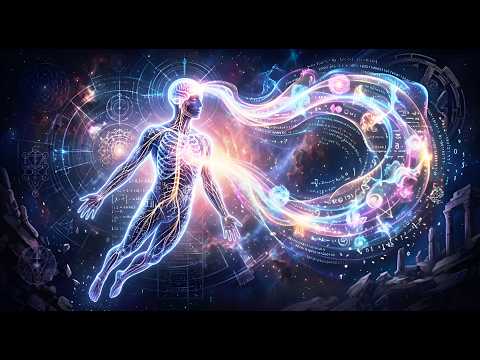
Astral projection is a fascinating phenomenon where consciousness temporarily leaves the physical body, allowing individuals to explore beyond physical limitations. This blog post delves into the experiences, historical context, benefits, and techniques of astral projection, providing insights into this mystical journey.
Astral projection is a captivating phenomenon that has intrigued humanity for centuries. It is often described as the experience of the soul or consciousness temporarily leaving the physical body, allowing individuals to explore realms beyond the physical senses. In this blog post, we will delve into the nature of astral projection, its historical context, the benefits it offers, and how one might embark on this extraordinary journey.
Astral projection is the process by which human consciousness separates from the physical body, functioning independently while the body remains still. This experience allows individuals to observe the world from a perspective other than their physical senses. During astral projection, one retains a high level of consciousness and can remember the experience in detail upon returning to the physical body.
Many people experience astral projection spontaneously during sleep, often referred to as lucid dreaming or an Out of Body Experience (OBE). While it may sound unusual, it is a common occurrence, with reports indicating that at least one in ten people have experienced a conscious OBE.
The concept of astral projection is not new; it has been recognized in various cultures throughout history. Ancient Egyptians referred to the light body as "KA," depicting the soul's departure from the body in their inscriptions. Similarly, Tibetan traditions speak of a "double body" that houses the soul. Greek philosophers, including Plato and Herodotus, also discussed this phenomenon, and it is mentioned in religious texts such as the Bible.
To understand astral projection, one must consider the concept of dimensions. The fourth dimension, often referred to as the Astral Realm, is where individuals typically find themselves during astral travel. In this realm, all senses are heightened, and thoughts can manifest instantly. The astral plane vibrates at a higher frequency than the physical plane, allowing for experiences that transcend physical limitations.
The astral realm is generally divided into three sections based on vibratory frequency:
Astral projection offers numerous benefits, including:
Dreams are often a reflection of astral experiences. When we sleep, our consciousness returns to higher levels of being, creating experiences based on memories, thoughts, and emotions. While dreaming, individuals typically function at a low level of consciousness, making it challenging to remember these experiences clearly. However, some dreams may foreshadow future events, indicating a connection to the astral realm.
Lucid dreaming and astral projection are closely related but distinct experiences. Lucid dreaming occurs when an individual becomes conscious while already in a dream state, whereas astral projection involves consciously leaving the body from a waking state. Both experiences offer unique insights into the nature of consciousness and reality.
While this blog post does not delve into specific techniques for astral projection, numerous resources are available for those interested in exploring this phenomenon. Recommended readings include:
Astral projection is a fascinating journey that transcends the physical realm, offering individuals the opportunity to explore their consciousness and the universe. With a rich historical context and numerous benefits, it invites us to reconsider our understanding of existence and the afterlife. Whether approached with skepticism or curiosity, the experience of astral projection can profoundly impact one's perspective on life and death, encouraging a deeper exploration of the self and the cosmos.