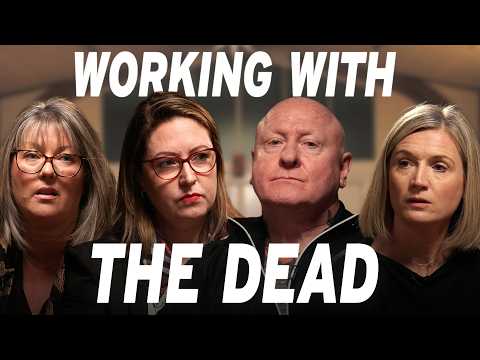
This blog post delves into the experiences and insights of professionals in the death care industry, including morticians, embalmers, death doulas, and forensic scientists. They share their emotional journeys, the challenges they face, and the importance of understanding and discussing death in society.
In a recent roundtable discussion, professionals from various fields related to death care shared their experiences, insights, and the emotional weight of their work. This blog post captures their stories and reflections on the nature of death, the importance of closure, and the societal taboos surrounding the topic.
Carol, a forensic biologist with 26 years of experience, recounted a particularly haunting case: the murder of Angelika Kluk. Upon arriving at the crime scene, she found herself in a dark, confined space under floorboards, collecting evidence from a deceased body. Despite the initial terror, her professional instincts took over, allowing her to focus on the task at hand.
Deb, who specializes in hair and makeup for the deceased, expressed her passion for helping families during their most difficult times. She emphasized the importance of treating each body with respect and dignity, ensuring that the deceased look as they did in life.
Katie, a soul midwife or death doula, shared her unique perspective on supporting individuals before, during, and after death. She highlighted the need for society to engage with death more openly, especially with children, to demystify the process and reduce fear.
The discussion revealed a common theme: death is often viewed as a taboo subject. Many professionals believe this stems from society's detachment from the natural process of dying. They argued that death is a human experience that should be acknowledged and discussed openly.
Deb noted that children should be involved in funerals and viewings to help them understand the process. She shared how her own children are aware of her work and the realities of death, which she hopes will prepare them emotionally for future losses.
Carol elaborated on her role as a forensic scientist, particularly in cases involving violent crimes. She explained that while many people are fascinated by the more gruesome aspects of her job, her work encompasses much more than just examining dead bodies. It involves collecting evidence, analyzing it, and ultimately seeking justice for victims and their families.
She shared a poignant story about a young boy who had been tragically killed. The emotional toll of such cases is significant, but the closure that comes from bringing perpetrators to justice is a vital part of her work.
The professionals discussed the concept of closure extensively. Forensic scientists like Carol find closure through the successful prosecution of criminals, while morticians and embalmers like Martin focus on providing families with a final, peaceful memory of their loved ones. Martin described the meticulous process of facial reconstruction, which allows families to say goodbye in a way that honors the deceased.
Martin, a mortuary manager and embalmer, explained the technical aspects of his job, which include preserving bodies for funerals. He emphasized the importance of making the deceased look as natural as possible, which can be a complex process depending on the circumstances of death.
He shared a touching story about reconstructing a young girl who had died in a tragic accident. The emotional weight of such cases lingers long after the work is done, highlighting the profound impact these experiences have on those in the profession.
The discussion also touched on the healing power of rituals associated with death. Katie emphasized that witnessing the dying process can be a sacred experience, allowing families to connect with their loved ones in a meaningful way.
The roundtable participants agreed that society needs to break the silence surrounding death. They believe that open conversations can help demystify the process and reduce fear. By sharing their experiences, they hope to encourage others to engage with the topic of death more openly.
Despite the challenges, many professionals expressed a sense of privilege in their work. They find beauty in the connections they make with families and the opportunity to provide closure during difficult times.
Katie articulated the joy she finds in supporting families through the dying process, while Carol and Martin echoed similar sentiments about their roles in providing answers and comfort.
The roundtable discussion provided a profound insight into the lives of morticians, embalmers, death doulas, and forensic scientists. Their experiences highlight the importance of understanding and discussing death as a natural part of life. By sharing their stories, they hope to foster a greater appreciation for the work they do and encourage society to engage with the topic of death more openly.