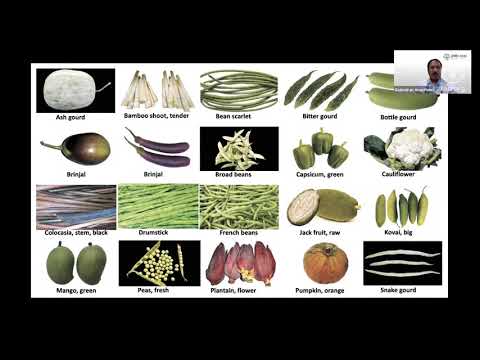
The IYFV webinar highlighted the importance of food composition data in understanding the nutritional value of fruits and vegetables, featuring presentations on Indian food composition, agroforestry's role in nutrition, and the biodiversity of Brazilian fruits. The discussions emphasized the need for increased consumption of diverse fruits and vegetables to combat malnutrition and promote health.
The International Year of Fruits and Vegetables (IYFV) 2021 has brought attention to the vital role that fruits and vegetables play in our diets. A recent webinar organized by the Food and Agriculture Organization (FAO) focused on the food composition of these essential food groups. With over 200 participants, the event featured several expert presentations that underscored the importance of understanding the nutritional value of fruits and vegetables.
Food composition data is crucial for assessing the nutritional quality of diets and informing agricultural practices. The webinar highlighted how this data can be used to develop location-specific food portfolios that promote diversified diets. The presentations emphasized that despite the known health benefits of fruits and vegetables, global consumption remains low, necessitating efforts to enhance intake.
Dr. Anathan presented on the richness of Indian fruits and vegetables, emphasizing their health benefits, including:
He noted that Indian food composition tables, completed in 2017, provide a comprehensive analysis of over 550 food samples across the country, covering 200 chemical components. This data is essential for promoting the consumption of nutrient-dense foods.
Barbara Stadelmeier discussed the role of agroforestry in enhancing nutrition through food composition data. She emphasized that fruits and vegetables are rich in vitamins, minerals, and phytochemicals, which are essential for healthy diets. The presentation highlighted the need for seasonal harvest calendars to ensure a year-round supply of micronutrients, particularly in low and middle-income countries.
Despite the nutritional benefits, many countries consume less than the recommended 400 grams of fruits and vegetables per day. Barriers include:
Daniela de Oliveira presented on the food composition of 70 Brazilian biodiverse fruits as part of the Biodiversity for Food and Nutrition (BFN) project. The project aimed to strengthen the conservation and sustainable management of biodiversity while promoting nutrition.
The IYFV webinar underscored the richness of fruits and vegetables and the critical role of food composition data in promoting their consumption. The discussions highlighted the need for increased awareness and policy support to enhance the intake of diverse fruits and vegetables, ultimately contributing to better health outcomes and nutrition security.
As we move forward, it is essential to continue advocating for the integration of food composition data into agricultural and nutritional policies, ensuring that the benefits of fruits and vegetables are fully realized in our diets.