This blog post delves into the various types of watercolor papers, their characteristics, and how they affect painting techniques. It emphasizes the importance of experimentation with different papers and mediums, such as gouache, to achieve desired artistic effects.
Watercolor painting is a delightful and expressive medium, but the choice of paper can significantly influence the outcome of your artwork. In this guide, we will explore various types of watercolor papers, their unique characteristics, and how they affect your painting techniques. Whether you are a beginner or an experienced artist, understanding these differences will enhance your watercolor experience.
When starting with watercolors, the type of paper you choose is crucial. Different papers yield different results, and experimenting with them can help you find your favorite. Keeping a notebook with samples of various papers can be a handy reference. Label each sample and test both sides of the paper to determine which side works best for your techniques.
Two common types of watercolor papers are cold press and hot press.
Cold Press Paper: This paper has a textured surface, which allows the paint to stay wet longer. It is ideal for techniques that require blending and layering. The texture can vary, with some brands offering a more pronounced bumpiness than others. For example, Arches cold press paper is known for its distinct texture.
Hot Press Paper: In contrast, hot press paper has a smooth surface, akin to being ironed flat. This type of paper dries more quickly and is suitable for detailed work and fine lines. The smoothness allows for precise control over paint application.
To understand how different papers react with paint, it is beneficial to conduct tests. For instance, using Canson XL watercolor paper, you can observe how various colors interact with the surface. When testing, consider using both watercolor and gouache, as gouache is more opaque and can create different effects.
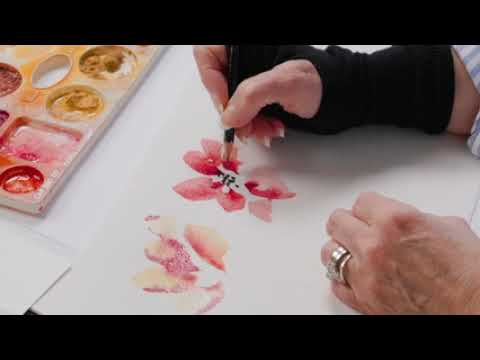
When painting flowers, starting with a base layer of gouache can provide a rich foundation. Apply a thin layer of gouache and then drop in watercolor pigments. The interaction between the two mediums can create beautiful blends and textures. For example, using cadmium red and lizard crimson can yield vibrant results.
As you paint, pay attention to how the colors spread and blend on the paper. Different papers absorb water differently, affecting how far the paint travels. For instance, cold press paper allows for more extended blending due to its texture, while hot press paper may require quicker application to prevent drying.
Experimentation is key in watercolor painting. Try mixing colors directly on the paper and observe how they interact. For example, combining Naples yellow with quinacridone magenta can yield interesting results. Be mindful of the ratios of pigment to water, as this will affect the vibrancy of your colors.
Choosing the right watercolor paper and understanding its characteristics can greatly enhance your painting experience. By experimenting with different types of paper and techniques, you will discover what works best for your artistic style. Remember to keep practicing, stay patient, and most importantly, enjoy the journey of watercolor painting.