This blog post explores the problematic art advice circulating on Twitter, highlighting the confusion and contradictions within the art community. It discusses the validity of tracing, the importance of understanding form over mere technique, and the challenges of giving and receiving constructive feedback in a social media context.
The art community on Twitter has become a battleground for opinions and advice, often leading to confusion and frustration among artists. This post delves into some of the worst art advice circulating on the platform, examining the implications of such guidance and the broader issues within the community.
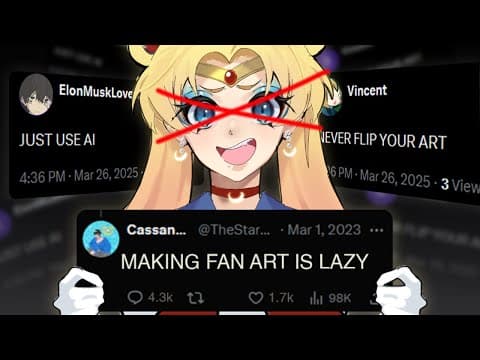
One of the most contentious topics is the perception of fan art. Some argue that fan art is theft and that using it to gain followers and commissions is lazy. This perspective overlooks the joy and creativity that fan art can bring to both the artist and their audience. Many artists create fan art out of passion, and it serves as a way to connect with others who share similar interests. The notion that fan art is inherently bad advice fails to recognize its value as a form of expression and community engagement.
A significant point of contention in art discussions is the practice of tracing. One tweet suggests that tracing a photo of a real hand is valid and can lead to improvement in anatomical understanding. However, this advice is met with skepticism. While tracing may help absolute beginners get a feel for drawing, it does not foster the necessary skills to draw from imagination. Instead, copying—where artists create their own guidelines and break down shapes—proves to be a more effective learning method. This approach allows artists to understand the journey of creating art rather than just the destination.
Another example of poor advice comes from critiques that lack depth. One user suggested that an artist's line work looked bad due to poorly defined sketches. However, the real issue often lies in the understanding of shape and form. Effective art relies on clear silhouettes and the ability to convey three-dimensionality on a two-dimensional canvas. Short, vague feedback fails to address the underlying problems and can lead to frustration for artists seeking to improve.
Burnout is a real concern for many artists, especially those who feel pressured by social media. One artist expressed a loss of desire to create, attributing it to the hustle culture prevalent on platforms like Twitter. Ironically, this same artist was found to be creating AI-generated art, raising questions about the authenticity of their burnout. This highlights the disconnect between the pressures of social media and the genuine passion for creating art.
A common piece of advice is to always flip your artwork to catch inconsistencies. However, one user argued against this, claiming it can lead to lopsided drawings. This misunderstanding illustrates the importance of recognizing that flipping the canvas is a tool to identify flaws, not the cause of them. The real issue often lies in the artist's inability to see their work objectively after prolonged focus.
Art tutorials on Twitter often fall short due to their brevity. For instance, a tutorial on drawing folds in clothing received backlash for its simplistic explanations. The critique failed to address the structural issues of the clothing itself, focusing instead on the brush used. This highlights the need for comprehensive explanations that consider the fundamentals of art rather than superficial techniques.
The advice to "just draw for yourself" can be misinterpreted as discouraging sharing art with others. In reality, this advice encourages artists to build self-confidence and express themselves authentically. As artists improve their self-expression, they naturally enhance their skills and find success. However, the vagueness of this advice can lead to various interpretations, complicating its intended message.
The art advice circulating on Twitter often reflects a misunderstanding of fundamental artistic principles and the complexities of the creative process. As artists navigate this landscape, it is crucial to approach advice critically and seek out constructive feedback that fosters growth. Engaging with the community in a meaningful way can help artists find their voice and improve their craft, rather than getting lost in the noise of social media.