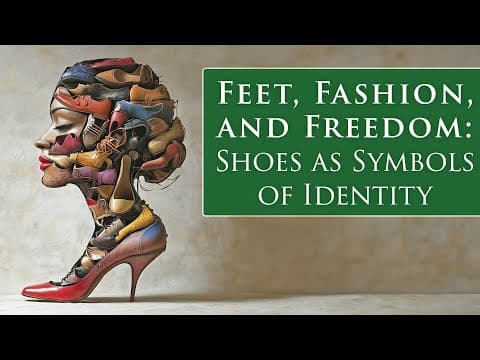
This blog post explores the multifaceted role of shoes in our lives, examining their historical significance, psychological implications, and cultural symbolism. From self-expression and identity to their representation in fairy tales and mythology, shoes serve as powerful symbols of agency, transformation, and societal status.
As we step into the new year, the conversation around shoes and footwear may seem trivial at first glance. However, shoes have a profound impact on our identity, self-expression, and even our psychological well-being. In this discussion, we delve into the historical significance of shoes, their role in our lives, and how they symbolize deeper psychological themes.
Shoes have been a part of human civilization for approximately 40,000 years, evolving from mere functional items to a $200 billion industry. The variety of styles—pumps, boots, oxfords, sandals, clogs, slides, and moccasins—reflects not only personal taste but also cultural identity. Shoes are not just about protection; they represent our agency, curiosity, and adaptability, which are central to human survival.
Shoes serve as a visible expression of who we are. The type of footwear we choose can convey messages about our personality and how we wish to be perceived. For instance, wearing high heels may project confidence and femininity, while sneakers might suggest a more casual or athletic persona. This connection between shoes and identity highlights the psychological depth of our choices.
The shoe industry thrives on the idea of self-expression. From handcrafted Italian loafers to trendy athletic shoes, our footwear choices reflect our self-image and aspirations. Shoes can also signify status; expensive sneakers have become a cultural phenomenon, particularly among youth. This desire for status can lead to a form of consumerism that mirrors deeper psychological needs.
Many individuals develop strong emotional attachments to their shoes. This attachment can stem from memories, experiences, or the feelings that certain shoes evoke. For example, a pair of boots might remind someone of a significant life event, while a stylish pair of heels could symbolize empowerment. The emotional resonance of shoes can also be seen in the phenomenon of "shoe hoarding," where individuals collect shoes as a form of self-expression or status.
Shoes frequently appear in mythology and fairy tales, often symbolizing transformation and identity. The story of Cinderella, for instance, highlights how a single shoe can represent one's essence and potential. The golden slippers in the original Grimms' tale serve as a metaphor for identity and the journey toward self-realization.
The tale of the red shoes serves as a cautionary narrative about vanity and obsession. The protagonist's inability to control her desire for the shoes leads to dire consequences, illustrating how our choices can reflect deeper psychological struggles. This story resonates with the idea that shoes can symbolize both empowerment and entrapment, depending on how they are perceived and used.
Shoes can also signify transformation in our lives. The act of changing footwear can reflect changes in our identity or emotional state. For example, a client who transitions from wearing stilettos to sneakers may be undergoing a significant life change. This transformation can be both literal and metaphorical, as shoes often represent our journey through life.
As we reflect on the role of shoes in our lives, it becomes clear that they are much more than mere accessories. Shoes symbolize our identity, aspirations, and emotional states. They serve as powerful reminders of our agency and the choices we make. As we enter the new year, let us consider the significance of our footwear and how it reflects our journey toward self-discovery and empowerment. Whether we choose work boots, stylish heels, or comfortable sneakers, our shoes can be a powerful symbol of who we are and who we aspire to be.