Dr. Elizabeth Brightite shares insights from her 11 years on the carnivore diet, emphasizing the importance of fat consumption, avoiding excessive lean protein and over-exercising, managing salt intake, and understanding hormonal balance. She highlights how these factors impact energy production, stress, and healing, especially for women, and offers guidance on optimizing the carnivore diet for health and recovery.
Dr. Elizabeth Brightite has been following the carnivore diet for nearly 12 years and has helped thousands of patients using it as a primary healing method. Over this extensive period, she has learned valuable lessons that many people take years to discover on their own. In this article, she shares these insights to help you avoid common pitfalls and optimize your carnivore diet experience.
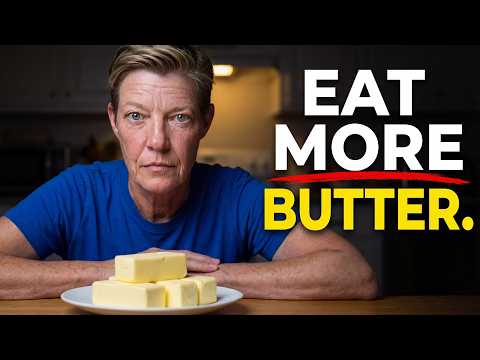
One of the fundamental truths Dr. Brightite emphasizes is that fat is not optional on the carnivore diet—it is absolutely essential. The human body evolved to thrive on animal fat, which played a crucial role in the development of our large brains and distinguishes us as humans.
Fat is the body's preferred energy source, primarily through a metabolic state called ketosis. While carbohydrates were incorporated into human diets much later, fat has always been the primary fuel. When you consume fat, your body produces ketones, which are efficient energy molecules.
Eating both fat and carbohydrates simultaneously can confuse your metabolism, potentially leading to insulin resistance and cardiovascular problems. Therefore, relying on fat for energy is not only natural but also beneficial for hormone production, including steroid hormones and stress response hormones.
If you experience stress or hormonal imbalances, it might be due to insufficient fat intake. Contrary to long-standing beliefs dating back to the 1800s, fat does not make you fat. Instead, it helps you burn fat by promoting ketosis.
Dr. Brightite warns against eating too much lean protein. Protein is primarily used by the body to build muscle peptides and enzymes, not as a direct energy source. The body prefers to burn fat for energy and only converts protein to glucose when necessary.
Consuming excessive lean protein can lead to it being converted into sugar, which may cause blood sugar issues. Additionally, your body does not want to break down its own muscle or organ tissues for energy; it prefers fat.
To build muscle effectively, you need to engage in physical activity. Without exercise, excess protein will not contribute to muscle growth and may instead disrupt your metabolism.
While exercise is beneficial, over-exercising, particularly cardio, can be detrimental, especially during healing phases. Cardio has been popularized for its calorie-burning effects, but Dr. Brightite explains that this approach can induce a stress state in the body.
Calories from carbohydrates and protein provide 4 calories per gram, whereas fat provides 9 calories per gram. Overdoing cardio can raise cortisol levels, the body's primary stress hormone, which is counterproductive when you are trying to heal.
Dr. Brightite shares her personal experience of having to stop exercising for a couple of years due to adrenal fatigue caused by over-exercising. When healing, your body needs rest and restoration, not additional stress.
Many people depend on stimulants like coffee or energy drinks to boost their energy levels. However, these substances increase cortisol levels, which can hinder healing and promote stress.
Using stimulants to "fake" energy is not sustainable and can prevent your body from producing healthy energy through fat metabolism and ketosis. This principle applies to all stimulants, including drugs like cocaine.
Salt is often misunderstood and feared due to outdated beliefs linking it to kidney disease and other health issues. Dr. Brightite clarifies that salt is vital for adrenal function and the body's stress response.
On a carnivore diet, you need more salt than usual because carbohydrates cause the body to retain water and salt. When you eliminate carbs, your body loses this retained water, so adequate salt intake helps maintain hydration and electrolyte balance.
A minimum of 5 grams of salt daily is recommended on the carnivore diet, with increased amounts if you are under stress.
Eating too many small meals or restricting yourself to one meal a day can disrupt your body's hunger signals and increase stress. Humans evolved to eat more than one meal per day, and ignoring hunger can raise cortisol levels.
If you work night shifts, exercise intensely, or have a busy lifestyle, you might suppress hunger signals, but it is important to listen to your body's needs to avoid stress and hormonal imbalances.
Undereating is a common issue that can affect both men and women, leading to hormonal imbalances and impaired healing. Your food intake should match your body size, activity level, and stress levels.
Dr. Brightite recommends a fat-to-protein ratio of 75:25 for men and 80:20 for women. Using apps like Fat Secret can help you track your intake without focusing obsessively on calories.
Women generally require more fat due to their higher hormone production needs, especially during adolescence and reproductive years. Chronic undereating, especially from a young age, can cause long-term health issues.
Many health issues stem from thyroid and adrenal imbalances, which can be influenced by diet and lifestyle. Dr. Brightite's books, such as Good Fat is Good for Women and Good Fat is Good for Girls, explore these topics in depth.
She explains how cortisol plays a crucial role in hormonal balance across all ages, not just during menopause. Understanding and addressing these hormonal factors is key to successful healing on the carnivore diet.
Dr. Brightite emphasizes the importance of analyzing lab results, including cortisol levels, to tailor the carnivore diet and healing strategies effectively.
If you are undergoing hormone replacement therapy (HRT) or bioidentical hormone replacement therapy (BHRT), it is important to pause these treatments for at least a month before testing cortisol levels, as they can artificially raise cortisol and skew results.
Dr. Elizabeth Brightite's extensive experience with the carnivore diet offers invaluable guidance for those looking to optimize their health and avoid common mistakes. Key takeaways include prioritizing fat intake, avoiding excessive lean protein and over-exercising, managing salt consumption, respecting hunger signals, and understanding hormonal health.
By following these principles, you can enhance your energy production, reduce stress, and support your body's natural healing processes.
Thank you for reading. Dr. Brightite welcomes your comments and looks forward to engaging with the community on these important health topics.