Menopause brings significant physical and emotional changes that affect intimacy. Men over 60 can support their partners by understanding these changes, focusing on emotional preparation, relearning her body, mastering extended foreplay, addressing physical comfort, and maintaining open communication. Avoiding common mistakes like rushing or silence can transform intimacy and deepen connection.
Right now, men over 60 around the world are lying next to the women they love, feeling helpless—not because they don't care or have stopped trying, but because menopause has changed the rules of intimacy in ways nobody ever explained to them. Her body, needs, and experience of touch, arousal, and pleasure have shifted significantly.
This guide aims to provide the knowledge most men were never given, helping them navigate intimacy after menopause with clarity, honesty, and without shame.
Menopause is not just the end of a woman's menstrual cycle; it is a profound hormonal transition reshaping her body, brain chemistry, and physical sensation. Estrogen and progesterone levels drop dramatically, causing:
Beyond physical changes, mood, energy, body image, and emotional regulation also shift. Many women feel less confident and more self-conscious during intimacy.
Crucially, these changes do not mean she no longer desires intimacy. The desire remains, but the path, conditions, and pace to reach it have changed.
Emotional safety, connection, and feeling genuinely desired as a whole person are prerequisites for physical intimacy, especially post-menopause. This step involves:
This emotional foundation creates safety in her nervous system, opening the door for physical responsiveness.
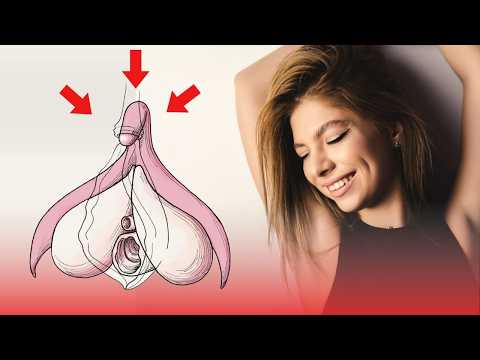
Menopause changes the topography of her pleasure. Men need to approach her body with fresh curiosity, as if meeting it for the first time. This involves:
This relearning can uncover new dimensions of intimacy.
After menopause, foreplay is not just a preamble but intimacy itself. Due to reduced estrogen, arousal takes longer and requires more varied stimulation. Key practices include:
Extended foreplay practiced with presence can lead to deeper physical intimacy.
Physical discomfort, especially vaginal dryness, is common and impactful. Addressing it involves:
Men should actively participate in conversations about her comfort, prioritizing it as an act of love.
Communication is the thread holding intimacy together. It should be:
Consistent communication fosters connection and helps couples navigate changing needs.
Avoiding these mistakes is as important as practicing the positive steps.
Navigating intimacy after menopause requires understanding, compassion, and skill. The five steps—emotional preparation, relearning her body, mastering extended foreplay, addressing physical comfort, and daily communication—form a comprehensive approach.
Men over 60 are encouraged to take one intentional step from this guide tonight, not perfectly, but consistently, to transform their intimate lives.
This guide is a call to break the silence around intimacy after menopause and to embrace the best years of intimate connection yet to come.
If this guide resonates, sharing it can help others and foster open conversations that strengthen relationships.
Dr. Julia Rhodess, a certified men's sex therapist with over a decade of experience, emphasizes that intimacy after menopause is not lost but transformed, and with the right knowledge, men can support their partners and deepen their connection.