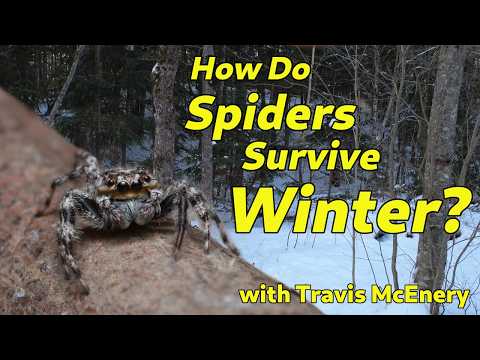
Spiders survive winter through a combination of behavioral adaptations and physiological mechanisms. They seek insulated microhabitats like leaf litter or under bark, which are significantly warmer than the air above snow. Many enter a state called diapause, slowing development and metabolism. Unlike some insects, spiders cannot survive freezing, so they avoid ice formation through these strategies, ensuring their survival until spring.
Spiders are fascinating creatures that often raise many questions, especially about how they survive harsh conditions like winter. For those living in colder climates, the question "What happens to spiders in the winter?" is quite common. Unlike birds that migrate or bears that hibernate, spiders have unique adaptations that allow them to endure freezing temperatures and reappear in spring.
Spiders are ectotherms, meaning they do not generate their own body heat but instead rely on the temperature of their environment. When temperatures drop below freezing, spiders face two major challenges:
This creates a survival puzzle: where do spiders go, and how do they avoid freezing?
Some spiders, like cellar spiders and giant house spiders (Eratigena atrica), have adapted to live alongside humans and spend winters indoors. However, most spiders remain outdoors and seek shelter in microhabitats that provide insulation and protection.
Leaf Litter and Ground Vegetation: Most spiders move downward into the leaf litter or ground vegetation layer, or hide under rocks and logs. This layer is complex and provides numerous hiding spots, much like a vast playground for small creatures.
Silk Sacks: Some species, such as jumping spiders and ground spiders, create silk sacs in hollow plants or under loose bark to shelter themselves.
Upper Vegetation Layer: Certain long-jawed orbweavers spend winter unsheltered in the upper vegetation.
Egg Sacs: Many spiders lay egg sacs in the fall, which survive the winter and hatch in spring.
A study in Northern Germany found that over 80% of spider species spend winter in the leaf litter layer.
The leaf litter and similar microhabitats offer significantly warmer conditions than the exposed air above snow. For example, on a day when the air temperature was -16.7°C (2°F), the temperature under leaf litter was measured at -3.4°C (26°F), a difference of about 13.3°C (24°F).
This warmth is due to:
Other shelters like loose bark can warm up during the day but cool down at night, making them less reliable.
A common misconception is that spiders survive winter by entering a dormant state called diapause, similar to hibernation. However, diapause in spiders is not a dormant state but a delay in development accompanied by slowed metabolism.
Thus, diapause helps regulate growth and reproduction timing but is not a survival mechanism against freezing.
Freezing causes two main problems at the cellular level:
Most animals, including spiders, cannot survive being frozen. While some insects can tolerate freezing, spiders are not among them.
Since spiders cannot survive freezing, they rely on behavioral and physiological adaptations to avoid ice formation:
These strategies allow spiders to survive winter conditions until temperatures rise again in spring.
Spiders have evolved remarkable adaptations to survive winter's challenges. By seeking insulated shelters and regulating their development through diapause, they avoid freezing and conserve energy. Understanding these survival strategies not only reveals the resilience of spiders but also highlights the complexity of life in cold environments. So next time you see a spider in spring, remember the incredible journey it undertook to survive the winter months.