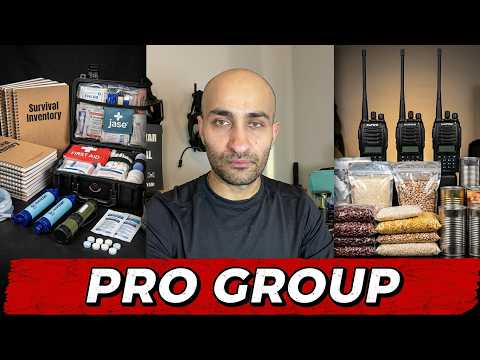
This comprehensive guide explains how to form a preparedness group before a crisis occurs. It covers defining the group's purpose, selecting members based on character and skills, establishing communication plans, setting rules, assigning roles, conducting training, and maintaining trust and organization to effectively support each other during emergencies.
Forming a preparedness group is a proactive step to ensure safety, resource sharing, and mutual support during emergencies or societal breakdowns. Ideally, such groups should be established before any crisis occurs, allowing time to organize, vet members, and build trust. This guide provides a detailed approach to forming and maintaining an effective preparedness group.
The first step in forming a preparedness group is to clearly define its purpose. Consider the scenarios your group might face:
When naming your group or creating communication channels, frame it as a preparedness group rather than a resistance or militia group to avoid legal scrutiny. For example, names like "Prepper Academy" emphasize education and preparedness rather than combat.
Your group should focus on several key areas:
Be prepared to defend your neighborhood or community from threats such as home invasions or riots.
Members can pool or barter resources such as food, firewood, medical supplies, and propane tanks. For example, one member might have access to sugar through a grocery store, while another has firewood.
Each member brings unique skills to the group, such as cooking, medical knowledge, plumbing, generator repair, or communication. Sharing these skills strengthens the group’s overall resilience.
Maintain open lines of communication to share information about threats, shortages, or emergencies. For instance, members can warn each other about approaching riots or chemical spills.
When choosing members, prioritize character traits over skills. Look for individuals who are:
Skills can be taught, but good character is essential. Avoid individuals who gossip, cause drama, disrespect others, or have poor manners. A gentle and patient approach to training, especially with firearms, is recommended.
While character is paramount, certain skills are highly valuable:
Conduct a skills inventory by documenting each member’s abilities and contact information to efficiently assign roles and responsibilities.
Start small with trusted family and friends. If expanding, consider:
Online platforms can also help find local survival or prepper groups. Use social media or forums to connect, but always vet new contacts carefully.
Build relationships gradually through conversations, meetings at public places, camping, hiking, or shooting range visits. Observe how potential members behave in everyday situations and under stress. A vetting period of about 90 days is advisable to assess reliability and character.
Once members are vetted and skills identified, assign clear roles such as:
Ensure everyone has a meaningful role to foster commitment and a sense of importance.
Set clear rules to maintain order and safety:
Implement a conflict resolution plan with a designated mediator or process to handle disputes without escalating tensions.
Schedule regular training days to practice skills such as:
Meet at least once a month to maintain cohesion, update plans, and conduct drills. Use these opportunities to strengthen relationships and trust.
Develop communication strategies for both pre- and post-disaster scenarios:
Designate a primary and backup meeting spot centrally located for all members. This ensures a safe rendezvous point if communication fails or a disaster affects the primary location.
Require members to maintain a minimum 14-day supply of essentials to avoid becoming a burden on the group. Suggested minimum stockpile includes:
Additional essentials:
Members should prove their stockpile within three months of joining.
Consider establishing a community food reserve or shared resource storage at a trusted location such as a member’s home, farm, or storage unit. Contributions can be voluntary or scheduled (e.g., monthly donations).
Implement a democratic voting system for major decisions, including:
Avoid centralized authority to prevent conflicts and ensure fairness.
Set clear criteria and a vetting process for admitting new members:
Assign an administrative role to maintain a secure database of members’ contact information, skills, and roles. This record is vital for coordination and emergency response.
Create a system for members to suggest improvements, training topics, or raise concerns confidentially. This fosters inclusivity and continuous improvement.
Forming a preparedness group requires careful planning, trust-building, and ongoing commitment. By focusing on character, clear communication, defined roles, and regular training, your group can effectively support each other through emergencies and crises. Start small, be patient, and prioritize safety and respect to build a resilient community.
If you have additional suggestions or experiences, feel free to share them to help others in their preparedness journey.