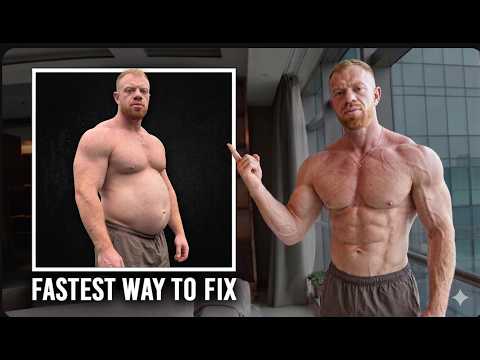
Losing 30 pounds of body fat quickly is achievable by controlling insulin levels through simple, consistent habits. Key strategies include eating protein first, using apple cider vinegar before meals, taking fasted morning walks, walking after meals, and lifting weights. These methods improve insulin sensitivity, promote fat burning, especially visceral fat, and preserve muscle mass for sustainable fat loss.
If you have 30 pounds of body fat to lose and want to do it fast in 2026, this guide outlines exactly what to do. This approach is not theoretical; it has been proven effective with hundreds of clients, including busy professionals, dads, CEOs, and men of various ages. The key to rapid fat loss lies in understanding and controlling a hormone called insulin.
Many people believe fat loss is about discipline, finding the right diet, or trying harder. However, the real bottleneck is insulin, a hormone that determines whether your body burns fat or stores it. When insulin is high, your body is in storage mode and cannot burn fat. When insulin is low, your body switches to fat-burning mode, pulling energy from stored fat, especially visceral fat—the dangerous fat around your organs and abdomen.
Controlling insulin is the foundation of effective fat loss. The following five rules are designed to keep insulin low and controlled, allowing your body to burn fat naturally.
Changing the order in which you eat your food can significantly affect your insulin response. Always eat protein first, vegetables second, and carbohydrates last. This simple change slows digestion and blunts blood sugar spikes:
A study from Stanford showed that eating protein and vegetables before carbohydrates reduced post-meal glucose spikes by up to 37% compared to eating carbohydrates first.
Apple cider vinegar (ACV) is a simple, effective tool to help control blood glucose. Take one tablespoon of ACV mixed in a large glass of water 5 to 10 minutes before your two biggest meals (lunch and dinner). The acetic acid in ACV inhibits enzymes that break down carbohydrates, slowing glucose absorption and lowering insulin response.
Research published in the Journal of Functional Foods found that vinegar consumption before carbohydrate-rich meals reduced post-meal blood glucose by up to 20%. This is not a magic solution but a consistent behavior that supports fat loss.
Fasted morning walks are an underrated fat loss tool. After fasting overnight (no food after 8:00 p.m.), your insulin levels are at their lowest, and liver glycogen stores are depleted. A 30 to 60-minute walk in the morning, preferably outside to get sunlight, encourages your body to burn stored fat, especially visceral fat.
Drinking black coffee before the walk can enhance fat burning by increasing adrenaline, which signals fat cells to release fatty acids for fuel. Unlike high-intensity cardio, walking keeps your heart rate in the fat-burning zone, making it ideal for targeting fat stores.
If outdoor walking is difficult, consider using a walking pad indoors.
Walking for 10 to 15 minutes after your two biggest meals (lunch and dinner) significantly improves insulin response and blood sugar control. This simple activity activates a mechanism called GLUT4 translocation, where muscle cells pull glucose directly from the bloodstream for energy, reducing the likelihood of fat storage.
A meta-analysis in Sports Medicine found that light walking after eating reduces post-meal blood glucose by an average of 17% compared to sitting. This metabolic intervention is easy to implement and highly effective.
Lifting weights is crucial for fat loss because the goal is to lose fat, not just weight. Without resistance training, dieting and cardio alone can lead to muscle loss, resulting in a “skinny fat” appearance.
Muscle is a powerful metabolic asset, burning approximately six calories per pound per day at rest. More muscle also improves insulin sensitivity, making your body better at managing blood sugar and burning fat.
Studies show resistance training can increase insulin sensitivity by up to 23% independent of diet changes. Aim for 3 to 4 sessions per week focusing on compound movements like squats, deadlifts, and rows. Use progressive overload and lift heavy enough that the last reps are challenging.
Here’s how to combine these rules into a daily routine:
Fat loss is not complicated. It requires stacking simple, consistent behaviors that create a hormonal environment conducive to burning fat. The first few weeks are about laying the foundation and improving insulin sensitivity. Visible results come when consistency compounds, and when they do, they come fast.
If you struggle to implement these rules or don’t know where to start, consider seeking personalized guidance. With dedication and the right approach, losing 30 pounds of body fat quickly is within your reach.
Remember, don’t be the person who knows what to do but doesn’t do it. Start today, control your insulin, and let your body do what it’s designed to do—burn fat.