Trent Reznor transformed Nine Inch Nails' sound with "The Downward Spiral," moving away from raw guitar and synth to a mood-driven, experimental album. Using a Mac and Pro Tools, he manipulated sounds creatively, collaborating with musicians like Stephen Perkins and Adrian Belew. Innovative sampling and effects shaped the album's distinctive atmosphere and storytelling.
Nine Inch Nails' album "The Downward Spiral" stands as a landmark in music history, not only for its raw emotional depth but also for its innovative sound design. Behind this masterpiece is Trent Reznor, who faced personal struggles and channeled them into creating an album that was a complete mood shift from the band's previous work.
Trent Reznor was dealing with significant personal battles during the creation of "The Downward Spiral." These struggles were not sugarcoated or hidden; instead, they became the emotional core of the album. Reznor aimed to craft an album that was more than just music—it was an immersive mood, a different experience from the raw and broken sound Nine Inch Nails was known for.
To achieve this new vibe, Reznor made a conscious decision to ditch the usual guitar and synth sounds that had characterized the band's earlier work. Instead, he embraced a fresh approach to sound creation and manipulation.
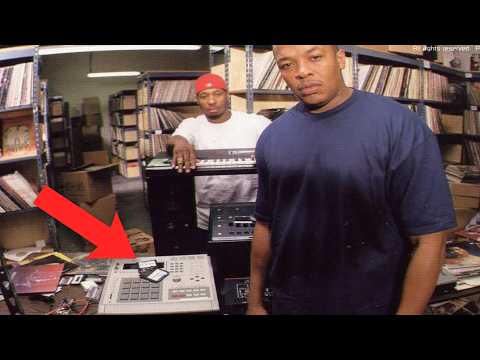
Armed with his trusty Mac computer, Reznor dove into music editor programs and Pro Tools, experimenting with sounds like a mad scientist in his lab. This digital approach allowed him to manipulate audio in ways that traditional instruments could not, opening up new creative possibilities.
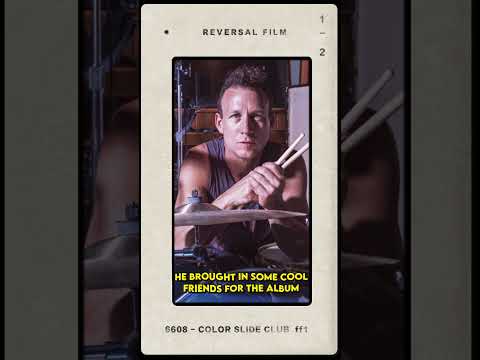
Reznor didn't work alone on this project. He brought in some talented friends to contribute to the album's unique sound:
These collaborations enriched the album's texture and depth, blending live instrumentation with digital manipulation.
A hallmark of "The Downward Spiral" is its innovative use of sampling and sound distortion. Reznor took guitar and drum parts and transformed them through sampling techniques to tell the album's story sonically.
He employed advanced technology for the time, including Digidesign’s Turbosynth and the Zoom 9030 effects unit. These tools allowed him to distort and reshape sounds, creating an atmospheric and immersive listening experience that matched the album's themes of descent and turmoil.
Trent Reznor's work on "The Downward Spiral" exemplifies how personal struggle can fuel artistic innovation. By embracing new technology, collaborating with skilled musicians, and pushing the boundaries of sound manipulation, Reznor crafted an album that remains influential and emotionally resonant. The album's unique mood and sonic landscape continue to captivate listeners, marking it as a true masterpiece in music history.