Dr. Sophie Laurent shares expert insights on how men can enhance oral intimacy by understanding female anatomy and adopting a slow, patient, and rhythmic approach. She emphasizes the importance of stimulating the clitoral hood junction zone, using breath, and incorporating pauses to create deep pleasure, especially for women in their 50s and beyond. Real-life stories illustrate how technique, not desire, is often the key to intimacy.
A woman's body communicates clearly, yet many men have never truly learned how to read it, especially in the context of oral intimacy. If you find yourself trying hard but feeling disconnected, you're not alone. This article, based on the expertise of Dr. Sophie Laurent, a sexual medicine specialist with over 25 years of experience, reveals the critical techniques that can change everything.
Many men believe oral intimacy is simply about focusing on one spot—the clitoris—and repeating the same motion. However, this approach often misses the mark because it overlooks how a woman's body actually responds to stimulation. The key is not just the clitoris itself but the surrounding areas and the way stimulation is delivered.
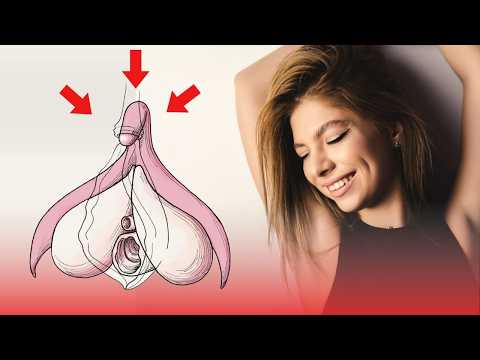
Most people think of the clitoris as the small visible nub at the top of the vulva. In reality, it is a much larger internal structure with legs and bulbs extending around the vaginal canal. The visible part is just the tip.
The critical area for creating deep pleasure is the clitoral hood junction zone—the soft tissue where the labia minora meet the clitoral hood. This area is rich in nerve branches and, when stimulated correctly, triggers a full pelvic reflex response, causing involuntary pelvic floor engagement and movement toward climax.
Men often stimulate this area with the tip of the tongue in a rapid, flicking motion, which the nervous system interprets as a threat rather than pleasure. This causes the muscles to tighten and the body to shut down instead of opening up.
Dr. Laurent outlines a step-by-step method that transforms oral intimacy:
Begin with soft, slow kisses using your lips on the outer folds of the vulva. This area is less sensitive but psychologically important, signaling patience and presence. Wait for a subtle change in her breathing before moving on.
Use the flat, wide side of your tongue—not the tip—to gently and rhythmically stroke the junction zone. Slow, sweeping motions create a warm, spreading sensation that the nervous system perceives as safe and pleasurable.
Stimulate the lateral edges (around 2:00 and 10:00 positions) with slow, rhythmic lateral tongue movements. This gentle rocking motion accesses branching nerve fibers and often produces a stronger response than direct central stimulation.
Between tongue movements, exhale warm breath gently over the area. The combination of warm air and rhythmic touch encourages involuntary pelvic floor contractions and releases, building toward climax.
At the peak of her response, stop all stimulation but remain present. This deliberate pause causes the nervous system to amplify anticipation. When you resume the same gentle rhythm, the response is dramatically stronger, often opening the floodgates.
Dr. Laurent shares stories of men who, despite good intentions, were missing key information:
Robert and Carol: Robert's firm, fast suction caused Carol discomfort. After learning the five-step approach, their intimacy was transformed.
David and Margaret: David's direct, intense stimulation caused Margaret to shut down. Using the new technique, Margaret experienced pleasure like "the first time" after 42 years together.
Brian: His inconsistent rhythm prevented his wife from building a response. Committing to one rhythm for several minutes led to profound emotional release.
Michael and Linda: Post-menopause sensitivity made intimacy painful. A modified approach with gentle lip pressure and holding the tongue still brought relief and reconnection.
The capacity for sexual response does not disappear with age; it changes. Post-menopausal women may experience altered sensitivity but still have the nerve endings and ability to experience pleasure. A refined, patient approach is essential.
Oral intimacy is not dependent on erectile function, making it accessible regardless of age or health challenges such as diabetes, hypertension, or cardiac recovery. The emotional and psychological benefits of intimacy are profound and contribute to better health outcomes.
The biggest gap in long-term relationships is not desire but technique and education. Many couples normalize distance and loss of intimacy as inevitable with age, but with the right knowledge, intimacy can be revitalized.
This approach is not just a technique but a language of connection that deepens emotional and physical closeness.
A woman who experiences genuine patience, attention, and skill in oral intimacy remembers it deeply. This closeness enriches the relationship beyond physical pleasure, fostering emotional intimacy that grows more valuable with time.
No matter your age or health status, you are not past this. With the right information and approach, intimacy can flourish at any stage of life.
Dr. Sophie Laurent encourages open conversations about intimacy in later life and invites questions to continue this important dialogue.
Understanding and embracing this knowledge can transform your relationship and bring profound joy and connection. Start slow, be patient, and speak the language of love fluently.