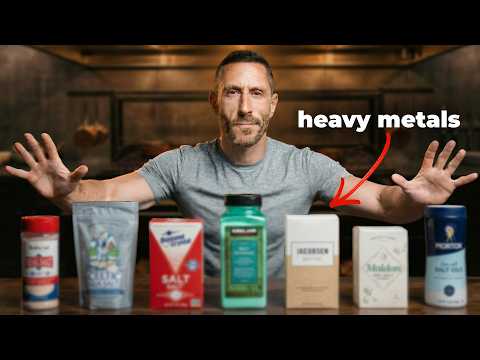
This article presents the results of testing seven popular sea salts for heavy metals such as lead, arsenic, aluminum, and microplastics. The findings reveal that only two salts were free from harmful contaminants, while others contained concerning levels of lead and aluminum. The article discusses the importance of salt in human health, the risks of heavy metals, and ranks the salts from best to worst based on safety and purity.
Salt is a staple in almost every kitchen and meal, yet few of us consider the potential contaminants it might contain. I recently tested seven popular sea salts for heavy metals including lead, arsenic, aluminum, and also for microplastics. The results were surprising and concerning, revealing that only two of these salts passed the safety tests without detectable harmful contaminants.
Salt, chemically known as sodium chloride, is essential for human life. Both sodium and chloride ions are vital minerals that our bodies need to function properly. We crave salt naturally because our bodies tightly regulate sodium levels in our blood. Even slight imbalances can cause symptoms such as headaches, fatigue, fainting, or swelling of the brain.
Salt has been a critical nutrient throughout human history. The word "salary" originates from the Latin "salarium," an allowance given to Roman soldiers to buy salt. Before modern refrigeration, salt was the primary preservative for food, enabling long ocean voyages and the discovery of new lands. Indigenous cultures have always prized salt, often following animal trails to natural salt licks.
Despite its importance, salt has been unfairly vilified, especially concerning its link to hypertension (high blood pressure). The real culprit behind hypertension is often underlying insulin resistance, not salt itself. Many people, including myself, consume 7 to 10 grams of salt daily without elevated blood pressure.
While salt is necessary, it should be free from harmful contaminants. Heavy metals such as lead, arsenic, and aluminum pose serious health risks:
Given that salt is consumed daily, even small amounts of these metals can accumulate over time, posing significant health risks.
I tested seven popular salt brands commonly found in households:
These brands represent a range of salt types from highly refined to raw sea salts. Himalayan salt was not included in this test but will be considered in future analyses.
Many people may overlook the presence of heavy metals in salt, assuming it to be a pure and safe commodity. However, the data clearly shows that some salts contain harmful levels of contaminants that can accumulate in the body over time.
Choosing a salt free from heavy metals and microplastics can significantly reduce your exposure to these toxins. This is especially important for children, who are more vulnerable to the effects of lead and arsenic.
Salt is an essential nutrient that should not be feared but respected. Avoiding salt altogether or restricting it excessively can lead to health problems such as low blood pressure, fatigue, and hormonal imbalances.
However, it is equally important to choose a salt that is free from harmful contaminants. Based on my testing, Diamond Kosher Salt is the best choice for purity, safety, taste, and affordability. On the other hand, Celtic Sea Salt should be avoided due to its high levels of lead and other heavy metals.
If you use other salt brands and want them tested, feel free to suggest them. Clean salt and clean water are foundational to reducing exposure to harmful chemicals and heavy metals, promoting long-term health for you and your family.
Sharing this information can help others make better choices and improve collective health outcomes.
For full test results and more information, visit my website.
This comprehensive analysis underscores the importance of being mindful about the salt we consume daily and choosing products that support our health rather than compromise it.