The ongoing conflict between Iran and Israel has led to a dual crisis for the Egyptian economy, marked by a rapid decline in the Egyptian pound and a potential energy crisis due to halted gas supplies from Israel. This situation has resulted in significant capital flight, increased energy demand, and potential industrial disruptions, raising concerns about inflation and economic stability in Egypt.
The ongoing conflict between Iran and Israel has begun to reveal its repercussions on the Egyptian economy, particularly since June 15, 2025. The Egyptian pound has experienced a rapid decline, attributed to the withdrawal of significant amounts of hot money from the country due to the war. This situation has created a dual crisis for Egypt, encompassing both a currency crisis and an energy crisis, which are likely interconnected.
As the conflict escalated, Israel halted gas supplies to Egypt, which has been a critical source of energy for the country. Egypt relies on approximately 800 million cubic feet of gas daily from Israel, accounting for about 13-15% of its daily energy needs. The sudden cessation of these supplies has raised alarms about a potential energy crisis, especially during the summer months when energy consumption peaks.
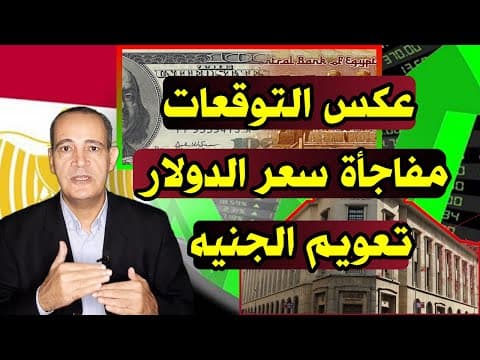
The economic turmoil has led to a significant outflow of capital from Egypt. Reports indicate that on the first day of market reopening, around 800 million dollars were withdrawn from the interbank market, with total transactions reaching approximately 1.4 billion dollars in just two days. Consequently, the Egyptian pound has depreciated sharply, moving from around 49.8 to approximately 50.8 pounds per dollar within 48 hours, marking a loss of about 84 piasters.
The Israeli government's decision to stop gas production has not only affected energy supplies but also has broader implications for various Egyptian industries. The Egyptian government has temporarily suspended gas supplies to energy-intensive industries such as steel, cement, and fertilizers to prioritize electricity generation for essential services. This decision could lead to increased prices for agricultural products and other goods due to reduced production capacity.
In response to the crisis, the Egyptian government is exploring alternative gas supplies and has expedited contracts with international companies to secure shipments. This includes agreements with companies like Aramco to diversify Egypt's energy sources and reduce reliance on Israeli gas. However, the uncertainty surrounding the resumption of Israeli gas supplies remains a significant concern.
The Egyptian stock market has also felt the impact of these developments, with a reported decline of approximately 7.5% at the start of trading on Sunday. The market saw a loss of around 100 billion pounds in market value in a single day, leading to the suspension of trading for 47 companies due to the sharp decline. Analysts suggest that if the situation stabilizes, there could be opportunities for recovery as investors may take advantage of lower stock prices.
As the situation unfolds, three potential scenarios emerge:
The current crisis presents a significant test for the Egyptian economy, highlighting vulnerabilities in its energy supply and currency stability. As the situation develops, it is crucial for the government to adopt measures that not only address immediate challenges but also lay the groundwork for a more resilient economic framework. The ongoing conflict serves as a reminder of the interconnectedness of regional stability and economic health, with implications that extend beyond Egypt's borders.