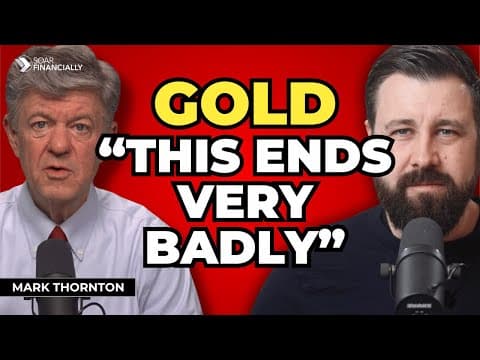
In a recent discussion, Luke Gromen explores the implications of the U.S. debt crisis, the potential rise of Bitcoin and gold as neutral reserve assets, and the geopolitical shifts that may redefine global economic stability. He emphasizes the need for a restructuring of the U.S. economy to revitalize the middle class and enhance national security, suggesting that the current fiat system is unsustainable.
In a thought-provoking discussion, Luke Gromen delves into the changing dynamics of the global economy, particularly focusing on the implications of the U.S. debt crisis, the potential rise of Bitcoin and gold as neutral reserve assets, and the geopolitical shifts that may redefine global economic stability. This article summarizes key points from the conversation, highlighting the existential issues facing the U.S. economy and the potential paths forward.
The United States is currently grappling with over $36 trillion in debt, a figure that has doubled in the past 15 years. This staggering amount translates to a debt-to-GDP ratio of approximately 140%, which historically has been deemed unsustainable. Gromen argues that the U.S. has reached a critical juncture where the implications of this debt are becoming increasingly dire.
Gromen emphasizes that the U.S. cannot continue to impoverish its citizens while simultaneously expecting economic growth. The country must produce goods and services to support its population and maintain national security. The current trajectory suggests that the U.S. is caught in a debt spiral, where the only options are to inflate the currency or default on obligations.
As the U.S. navigates its debt crisis, Gromen posits that both gold and Bitcoin could emerge as viable alternatives to the dollar. He describes gold as a neutral reserve asset that has historically preserved purchasing power. In contrast, Bitcoin, with its decentralized nature, offers a modern solution to the challenges posed by fiat currencies.
The conversation touches on the concept of game theory, where nations must decide whether to defect from the dollar system in favor of gold or Bitcoin. Gromen notes that the first country to make this move could potentially benefit from the subsequent rush of others to follow suit. This creates a scenario where countries like Russia and China are already positioning themselves to opt out of the dollar system by accumulating gold and exploring Bitcoin mining.
Gromen highlights that recent geopolitical events, such as the U.S. involvement in Afghanistan and Ukraine, have exposed vulnerabilities in American imperialism and military capability. As a result, there is a growing recognition among U.S. leadership that the current financial system must be restructured to ensure national security and economic stability.
The discussion suggests that the U.S. may need to adopt a neutral reserve asset, such as gold or Bitcoin, to stabilize its economy and restore confidence among its citizens. Gromen argues that this shift is essential for revitalizing the middle class and reestablishing a robust defense industrial base.
As the conversation unfolds, Gromen expresses optimism about the potential for Bitcoin and gold to play significant roles in the future of money. He believes that a transition away from the current fiat system could lead to greater economic stability and a more equitable distribution of wealth.
In discussing the importance of passing knowledge to the next generation, Gromen emphasizes the need for financial literacy. He advocates for teaching young people about money, investments, and the significance of having skin in the game. By equipping them with the right tools and knowledge, they can navigate the complexities of the financial world more effectively.
In conclusion, Luke Gromen's insights shed light on the pressing issues facing the U.S. economy and the potential for Bitcoin and gold to emerge as critical players in the global financial landscape. As the world grapples with the consequences of unsustainable debt levels, the need for a neutral reserve asset becomes increasingly apparent. The future of money may very well depend on the choices made today regarding how we value and utilize these assets.