This blog explores President Trump's attempts to undermine the Federal Reserve's independence by trying to fire Governor Lisa Cook. It discusses the implications of a potential 4-3 majority on the Fed board and the risks of inflation reminiscent of Turkey's recent crisis. The article highlights the importance of central bank independence and the potential consequences of political interference in monetary policy.
In recent developments, President Donald Trump has intensified his campaign against the Federal Reserve, notably attempting to fire Lisa Cook, a member of the Fed's Board of Governors. This move raises concerns about the independence of the central bank and the potential for an inflation crisis similar to what Turkey experienced in recent years. This blog post delves into the implications of Trump's actions and the broader context of central bank independence.
Central bank independence is crucial for effective monetary policy. It allows central banks to set interest rates and control inflation without political interference. Most economists advocate for this independence, as politicians often favor lower interest rates to stimulate short-term economic growth, which can lead to long-term inflation risks.
The Federal Reserve (Fed) in the United States operates with a significant degree of independence. It sets interest rates without needing approval from the president or Congress and funds itself primarily through interest on securities. The seven members of the Fed's Board of Governors are appointed by the president but serve 14-year terms, designed to span multiple administrations and minimize political influence.
Trump's skepticism towards central bank independence is evident in his actions during his presidency. He broke with tradition by not reappointing Janet Yellen, Obama's Fed chair, and instead appointed Jerome Powell. Trump's frustration with Powell's reluctance to cut rates has been a recurring theme, leading to public disputes between the two.
Recently, Trump attempted to fire Lisa Cook, citing allegations of misconduct related to her property records. If successful, this would give Trump a 4-3 majority on the Fed's Board, allowing him to influence monetary policy significantly. While a majority on the board does not directly allow for interest rate cuts, it could enable Trump to replace regional Federal Reserve Bank presidents with loyalists, effectively gaining control over the Federal Open Market Committee (FOMC).
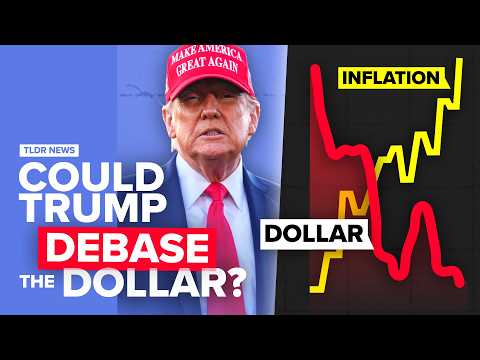
Trump's desire to lower interest rates to around 1% from the current 4.5% raises alarms among economists. Such a drastic cut could exacerbate inflation, which is already above the Fed's 2% target. Analysts warn that Trump's tariffs could further increase prices, leading to an inflationary crisis reminiscent of Turkey's recent economic turmoil.
In Turkey, President Recep Tayyip Erdoğan's interference with the central bank led to a severe inflation crisis. After seizing control of the central bank, Erdoğan forced rate cuts that triggered rampant inflation, with year-on-year rates averaging 50% between 2022 and 2025. The Turkish lira lost 70% of its value against the dollar during this period, serving as a cautionary tale for the US.
While there is a possibility that Trump's attempt to fire Cook could be blocked by the courts, the situation remains precarious. The allegations against Cook have not been substantiated, and legal experts suggest that the grounds for her dismissal may not meet the standards set by the Federal Reserve Act.
Even if Cook remains in her position, Trump's campaign against the Fed is unlikely to cease. The potential for a 4-3 majority on the board poses significant risks for the US economy, particularly if it leads to a shift in monetary policy that prioritizes political interests over economic stability.
The ongoing struggle between political influence and central bank independence is critical for the future of the US economy. As Trump continues to challenge the Fed, the lessons from Turkey's inflation crisis serve as a stark reminder of the dangers of undermining central bank autonomy. The implications of these developments warrant close attention as they unfold, with the potential to shape the economic landscape for years to come.