This blog post explores the intricacies of Bach's Prelude in C Major, focusing on its arpeggiated structure, articulation, and pedal use. It provides insights into maintaining a pulsating harmony and creating beautiful effects through careful note handling and subtle pedal application, making it an essential read for intermediate to advanced pianists.
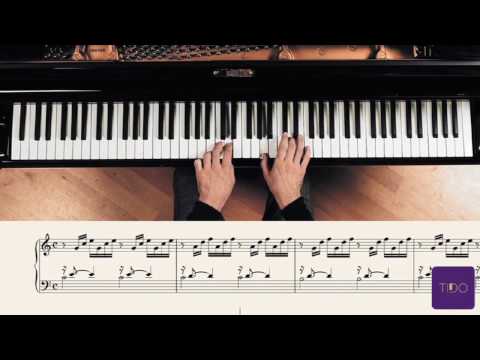
Bach's Prelude in C Major is a captivating piece that showcases an arpeggiated and sometimes improvisatory structure. This composition has its roots in lute music, which naturally lends itself to arpeggiation. The use of arpeggios not only enhances the musical texture but also keeps the instrument resonating, creating a vibrant sound throughout the performance.
The Prelude is characterized by a gently pulsating harmony that is essential to its overall effect. Bach's approach to this piece suggests that the harmony should remain active and engaging. The two bass notes in the Prelude are marked as overhal, indicating that they should be sustained. This notation implies that all notes in the right hand should also be treated similarly, allowing for a continuous flow of sound.
The concept of overhal is crucial in interpreting this Prelude. When Bach copied the works of other composers, such as Cerny, he often omitted explicit instructions for overhal, assuming that keyboard players would inherently understand the need to sustain notes. By applying this technique throughout the piece, pianists can achieve a rich, throbbing C major chord that resonates beautifully.
One of the artistic choices pianists face is how to handle the bar lines. There are two primary approaches:
While pedal use can enhance the sound, it is essential to apply it judiciously in this Prelude. From bar five onward, subtle pedal application can help sustain the suspensions in the right hand, enriching the harmonic texture. However, extensive use of the pedal is not recommended, as the fingers themselves can create a clean and unadorned sound that is often more effective in conveying the piece's character.
In summary, Bach's Prelude in C Major offers a wealth of opportunities for expression and interpretation. By focusing on the arpeggiated structure, understanding the significance of overhal, and making thoughtful choices regarding articulation and pedal use, intermediate to advanced pianists can bring this masterpiece to life. The key lies in maintaining a pulsating harmony while allowing the music to breathe and resonate, creating a captivating performance that honors Bach's genius.