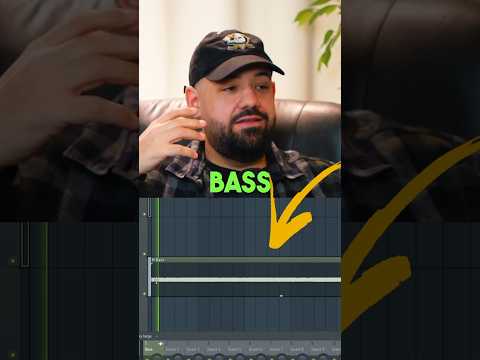
This blog post explores advanced techniques for mixing bass in music production, focusing on how to create a wide stereo image for mid and high frequencies while keeping low frequencies in mono. It provides a step-by-step guide on duplicating signals, using EQ effectively, and achieving a professional sound.
Mixing bass effectively is crucial for achieving a professional sound in music production. This post will delve into advanced techniques that can help you create a wide stereo image for mid and high frequencies while keeping the low frequencies in mono.
When mixing bass, it is essential to understand the role of different frequency ranges. Low frequencies provide the foundation of your mix, while mid and high frequencies contribute to the overall clarity and width. To achieve a balanced mix, you need to manage these frequencies carefully.
One of the key principles in bass mixing is to keep the low frequencies completely mono. This approach ensures that the bass remains powerful and focused, preventing it from becoming muddy in the mix. To achieve this, follow these steps:
Once you have your bass signal duplicated and routed to separate tracks, it’s time to apply EQ to enhance the sound:
With the mid and high frequencies processed separately from the low frequencies, you can now focus on creating a wide stereo image:
By following these techniques, you can achieve a professional-level bass mix that maintains clarity and power. Keeping low frequencies in mono while spreading mid and high frequencies across the stereo field is a fundamental skill for any music producer. With practice, these methods will help you create mixes that sound polished and engaging, ready for any audience.