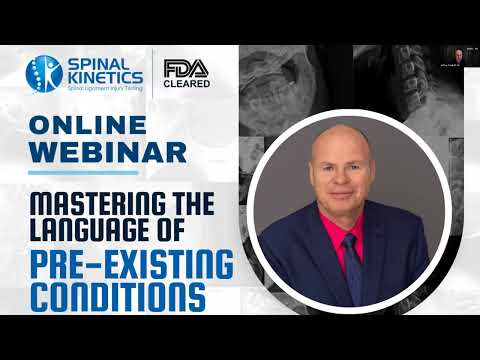
Understanding pre-existing conditions is crucial for medical professionals, especially in personal injury cases. Proper documentation can significantly impact treatment outcomes and financial reimbursements. This guide explores the nuances of pre-existing conditions, their implications in injury cases, and how to effectively document them to ensure fair compensation.
In the realm of personal injury cases, the topic of pre-existing conditions often seems tedious and uninteresting. However, it is a critical aspect that can significantly affect a doctor's ability to receive full payment for their services. Understanding pre-existing conditions is not only essential for accurate documentation but also presents a substantial opportunity for medical professionals who can navigate this complex area effectively.
Many doctors face challenges in getting paid in full due to inadequate documentation of pre-existing conditions. Law firms frequently express frustration over the lack of clarity in doctors' records, which muddles the understanding of a patient's condition and the impact of their injuries. For doctors handling numerous personal injury cases, mastering the documentation of pre-existing conditions can lead to better financial outcomes and improved patient care.
Pre-existing conditions refer to any medical issues a patient had before an accident or injury. These conditions can influence how a patient responds to new injuries and can complicate treatment plans. Properly documenting these conditions allows patients to access the benefits they are entitled to, rather than hindering their claims.
To illustrate the impact of pre-existing conditions, consider three individuals who fall in a grocery store under identical circumstances. Each person's pre-existing health status affects the severity of their injuries:
This example highlights that pre-existing conditions can significantly affect injury outcomes, emphasizing the need for thorough documentation.
Understanding the different types of pre-existing conditions is crucial for accurate documentation:
From a legal standpoint, understanding pre-existing conditions is vital. Courts have established that if a pre-existing condition does not cause pain or disability close to the time of a traumatic injury, the responsible party may be liable for 100% of the treatment costs related to the new injury. This principle underscores the importance of documenting the patient's condition accurately before the incident.
Accurate medical documentation serves multiple purposes:
Mastering the language of pre-existing conditions is essential for medical professionals involved in personal injury cases. By understanding the nuances of these conditions and documenting them effectively, doctors can enhance their practice, improve patient outcomes, and ensure they receive fair compensation for their services. Continuous education and training in this area can empower healthcare providers to navigate the complexities of personal injury cases with confidence.