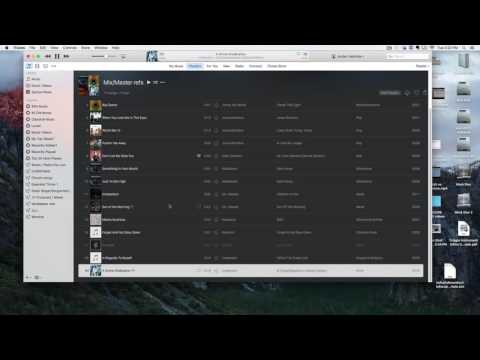
This blog post explores the importance of reference tracks in music mixing, offering practical tips on how to use them effectively without compromising your unique sound. It includes a personal playlist of reference tracks and insights on what to listen for to enhance your mixing skills.
Mixing music is an intricate process that requires a keen ear and a solid understanding of sound dynamics. One of the most valuable tools in a mix engineer's arsenal is the use of reference tracks. In this post, we will delve into the significance of reference tracks, how to use them effectively, and share a personal playlist of tracks that can guide your mixing journey.
Reference tracks serve as benchmarks for your mixes. They help you gauge various elements such as:
Using reference tracks can prevent you from straying too far from industry standards, ensuring that your mixes are competitive and polished.
While reference tracks are beneficial, they can also lead to issues if not used correctly. A common mistake is becoming overly obsessed with replicating a specific sound from a reference track. For instance, if you are mixing a metal track and constantly switch between your mix and a reference track by August Burns Red, you may find yourself trying to copy their drum sound or guitar tone. This approach can hinder your creativity and lead to frustration.
To illustrate the concept of effective reference tracks, here are some songs from my personal playlist that I frequently use:
Despite mixed opinions about their music, Nickelback is known for having some of the best mixes in pop rock. Their tracks feature:
These elements make their songs excellent references for achieving a polished pop rock mix.
This band offers a great example of aggressive mixing. Their tracks have:
From their album "Constellations," this band provides a great reference for guitar-focused metal mixes. Key features include:
A song produced by Ben Gross showcases:
Known for their classic drum sounds, Paramore's mixes are a staple reference for achieving a balanced and energetic sound.
Using reference tracks is an essential part of the mixing process, but it requires a balanced approach. By focusing on key elements and avoiding the temptation to copy specific sounds, you can enhance your mixing skills and create unique, professional-quality mixes. Remember to select tracks you know well and use them as a guide rather than a template. Happy mixing!