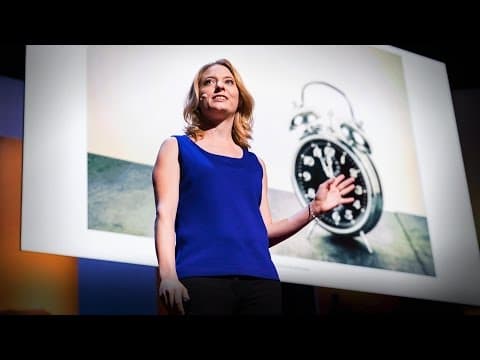
Laura Vanderkam's TED Talk emphasizes that effective time management is about prioritizing what truly matters in our lives rather than merely trying to save small bits of time. By treating our priorities like urgent tasks, we can find the time to achieve our goals and build fulfilling lives.
When people discover that I write about time management, they often make two assumptions. The first is that I am always punctual, which is far from the truth. As a mother of four small children, I sometimes find myself late, and I can't always blame them. In fact, I once arrived late to my own speech on time management, which was a moment of irony we all had to appreciate.
The second assumption is that I possess a plethora of tips and tricks for squeezing extra time out of our busy days. I often receive inquiries from magazines seeking advice on how to find an extra hour in the day. The common suggestions include optimizing errands to only make right-hand turns, being meticulous with microwave timings, or recording shows to skip commercials. While these ideas may seem practical, I question the entire premise behind them.
After studying how successful individuals allocate their time, I believe we have the concept backward. We do not build the lives we want by merely saving time; instead, we create the lives we desire, and time will adjust accordingly.
To illustrate this, I conducted a time diary project involving 1,001 days in the lives of extremely busy women. These women juggled demanding careers, family responsibilities, and community commitments. I asked them to track their time for a week, and the results were enlightening. One participant returned home to find her water heater had broken, resulting in a flooded basement. This unexpected crisis consumed seven hours of her week. If you had asked her at the beginning of the week if she could find seven hours to train for a triathlon or mentor others, she would have likely said no. Yet, when faced with an urgent situation, she found the time.
This example demonstrates that time is elastic. While we cannot create more time, it can stretch to accommodate our priorities. The key to effective time management lies in treating our priorities as urgent tasks, much like that broken water heater.
One of the busiest individuals I interviewed was a woman managing a small business with twelve employees while raising six children. When I reached out to schedule an interview, she was unavailable because she was out hiking on a beautiful spring morning. When we finally spoke, she shared a powerful insight: "Every minute I spend is my choice." Instead of saying, "I don't have time for x, y, or z," she reframed it as, "I don't do x, y, or z because it's not a priority."
This shift in language is crucial. Saying, "I don't have time" often translates to, "It's not a priority." For instance, if someone offered me $100,000 to dust my blinds, I would find the time to do it. The reality is that we have the power to fill our lives with what truly matters.
To effectively manage our time, we first need to identify our priorities. Here are two strategies to help you do this:
Future Performance Review: As the year comes to a close, many people reflect on their achievements and areas for growth. Instead of looking back, imagine it is the end of next year and you are giving yourself a performance review. What three to five accomplishments made the year amazing? This exercise can be applied to both professional and personal life.
Holiday Letter Exercise: Think about the family holiday letters you receive each December, detailing the accomplishments of the year. Pretend it is the end of next year, and you are writing a letter about what made the year remarkable for you and your loved ones. This exercise can help you identify six to ten goals to focus on in the coming year.
Once you have your goals, break them down into actionable steps. For example, if you want to write a family history, start by reading other family histories for inspiration, then plan interviews with relatives. If your goal is to run a 5K, find a race, create a training plan, and locate your running shoes.
To treat your priorities as urgent tasks, schedule them into your calendar first. I recommend taking time on Friday afternoons to plan your week ahead. Create a three-category priority list: career, relationships, and self. This approach ensures you allocate time for all aspects of your life, not just work.
Consider the numbers: there are 168 hours in a week. If you work a full-time job (40 hours) and sleep eight hours a night (56 hours), you still have 72 hours left for other activities. Even if you work 60 hours a week, you have 52 hours for personal pursuits. Many people underestimate the time they have available, often overestimating their work hours.
In our busy lives, we often waste small pockets of time by scrolling through our phones or engaging in mindless activities. However, these moments can be transformed into opportunities for joy. Use your commute to read a book, meditate during breaks at work, or substitute family dinners with breakfasts when schedules are tight.
The key is to view your time holistically and identify where you can incorporate meaningful activities.
I firmly believe that even in our busiest lives, there is time for what truly matters. By focusing on our priorities and scheduling them into our lives, we can build the fulfilling lives we desire within the time we have. Time management is not about saving minutes; it's about making intentional choices that reflect our values and aspirations.