This blog post explores the nuances of viola vibrato, highlighting its differences from violin vibrato, and provides practical tips for mastering this essential technique through controlled practice and metronome exercises.
Vibrato is a fundamental technique in string playing, allowing musicians to add expressiveness and depth to their performances. In this post, we will delve into the specifics of viola vibrato, its unique characteristics compared to violin vibrato, and effective practice strategies to enhance this skill.
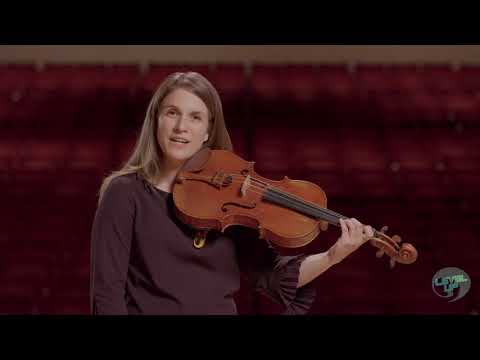
As explained by Jessica Udan from the Atlanta Symphony Orchestra, viola vibrato differs from violin vibrato in several key ways. Viola vibrato tends to be:
These distinctions are crucial for violists aiming to develop a sound that is both expressive and technically proficient.
To master vibrato, Udan emphasizes the importance of practicing in a controlled manner. Using a metronome is highly recommended to help musicians maintain a steady tempo while developing their vibrato technique. Here are some steps to follow:
Once you are comfortable with the slow oscillation, gradually increase the speed of your vibrato. Here are some practice techniques:
Experimenting with various combinations of these oscillations will help build flexibility and strength in your vibrato technique.
It is essential to practice vibrato with all four fingers to ensure a consistent and strong vibrato across the board. This balanced approach allows for seamless transitions during performance, regardless of which finger is being used.
A critical aspect of effective vibrato is timing. Udan advises that vibrato should begin as soon as the pitch is played. Delaying the onset of vibrato can lead to an unsteady sound, which may be disorienting for both the player and the audience. Starting vibrato immediately after hitting the pitch creates a more cohesive and polished sound.
Mastering vibrato on the viola is a journey that requires patience, practice, and attention to detail. By following these techniques and incorporating metronome exercises into your practice routine, you can develop a vibrant and expressive vibrato that enhances your musical performances. Remember, the goal is to make vibrato feel effortless, allowing you to focus on the artistry of your music-making. Happy practicing!