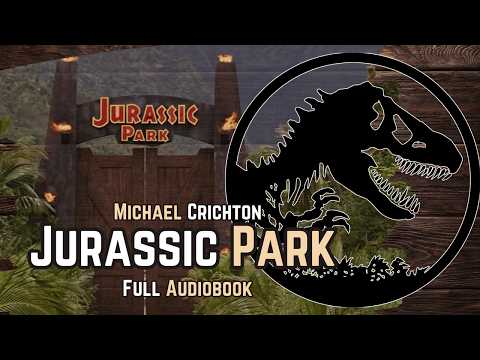
Jurassic Park by Michael Crichton explores the rapid commercialization of genetic engineering, the creation of a dinosaur theme park, and the ensuing chaos when nature defies human control. The story delves into ethical dilemmas, scientific breakthroughs, and the unpredictable consequences of reviving extinct species in a controlled environment.
The late 20th century witnessed a scientific gold rush in genetic engineering, promising to revolutionize human life more profoundly than atomic power or computers. Biotechnology research spread across thousands of laboratories and hundreds of corporations, with investments reaching billions annually. However, this rapid advancement proceeded with little oversight, raising ethical concerns.
Unlike previous scientific revolutions, biotechnology is broad-based, often frivolous in application, and largely unregulated. Scientists themselves are deeply involved commercially, blurring lines between research and profit. This shift challenges the traditional view of science as a free and open inquiry.
In 1976, a venture capitalist and a biochemist founded a company to exploit gene splicing techniques, marking the start of commercial genetic engineering. By the mid-1980s, hundreds of scientists were involved in biotech firms, signaling a new era where science and commerce intertwined.
International Genetic Technologies Incorporated (Inen) emerged as a major player, setting up secretive research facilities, including one on a remote island off Costa Rica. Despite its ambition, Inen faced a crisis that went largely unreported due to secrecy and limited witnesses.
Dr. Roberto Carter, a visiting physician in a remote Costa Rican village, encountered a young man with bizarre injuries resembling animal maulings but without typical signs of mechanical trauma. The victim whispered the word "raptor," a term linked to local superstitions about night ghosts called "hoopias."
Subsequent incidents involved children bitten by large, upright-walking lizards with bird-like tracks. Initial scientific analysis identified the creature as a harmless basilisk lizard, but further investigation suggested the presence of a previously unknown species, possibly a dinosaur-like animal.
Paleontologist Alan Grant, along with other experts, was drawn into the mystery surrounding the island leased by the Hammond Foundation. The island, known as Isla Nubla, was being developed into a biological reserve featuring genetically engineered dinosaurs.
The park housed various dinosaur species, including velociraptors, triceratops, and tyrannosaurs, all created through advanced genetic techniques involving DNA extraction from amber-preserved insects. The dinosaurs were engineered to be female and sterile, dependent on dietary supplements to prevent survival outside the park.
Mathematician Ian Malcolm applied chaos theory to predict the inevitable failure of Jurassic Park. He argued that complex systems like the park are inherently unpredictable and that attempts to control nature on such a scale are doomed to fail.
Despite assurances from park management, incidents such as power failures, security breaches, and animal escapes confirmed Malcolm's warnings. The dinosaurs began breeding despite genetic safeguards, and the park's control systems were compromised by internal sabotage.
A series of failures led to the dinosaurs escaping their enclosures, resulting in attacks on park personnel and visitors. The velociraptors demonstrated intelligence and pack hunting behavior, while the tyrannosaurus rex proved to be a formidable predator.
The park's staff struggled to regain control amidst power outages, communication breakdowns, and the destruction of security infrastructure. The situation escalated into a life-threatening crisis for everyone on the island.
Following the disaster, survivors were detained by the Costa Rican government, which was wary of the ecological and ethical implications of the park. The story raises profound questions about the limits of scientific power, the responsibilities of creators, and the unpredictable consequences of manipulating life.
Ian Malcolm reflects on the nature of science, power, and human hubris, emphasizing that while science can create, it cannot fully control or predict the outcomes. The narrative warns of the dangers inherent in unchecked technological advancement without ethical consideration.
Michael Crichton's Jurassic Park is a compelling exploration of genetic engineering's promises and perils. It combines thrilling adventure with deep philosophical questions about science, ethics, and the natural world. The story serves as a cautionary tale about the limits of human control over nature and the unforeseen consequences of playing god.
This comprehensive narrative captures the essence of the audiobook, detailing the scientific background, the unfolding events on Isla Nubla, and the broader implications of biotechnology in society. It remains a timeless reflection on innovation, responsibility, and the unpredictable dance between humanity and nature.