Renting in Denmark, particularly in cities like Copenhagen, can be challenging. This guide provides essential information on finding rental properties, understanding costs, negotiating leases, and leveraging rent control laws to secure a good deal.
Renting in Denmark, especially in a bustling city like Copenhagen, can be a daunting task. With a competitive market and high demand, securing a good rental deal requires knowledge and strategy. This guide aims to equip you with essential information to navigate the rental landscape successfully, whether you are a newcomer for work, a student, or someone already residing in Denmark.
The first step in your rental journey is finding a suitable property. A highly recommended platform for this is BoligPortal, a well-established website that has been operational for over a decade. It offers a comprehensive database of available rentals, allowing users to search and filter properties based on various criteria. While you can browse listings for free, contacting landlords requires a subscription, which can be costly but ultimately saves time.
While BoligPortal is the primary resource, there are other avenues to explore:
Once you access BoligPortal, you can switch to the English version for ease of use. Here’s how to navigate the site:
When you find a property of interest, click on it to view detailed information, including rental price, deposit requirements, and availability.
Moving into a new rental can be expensive. Landlords in Denmark often request:
It’s crucial to negotiate these terms where possible. If you find a property you love but cannot afford the upfront costs, consider seeking loans specifically designed for moving expenses, although this may lead to additional financial burdens.
Before moving in, you must sign a rental agreement. Key points to clarify include:
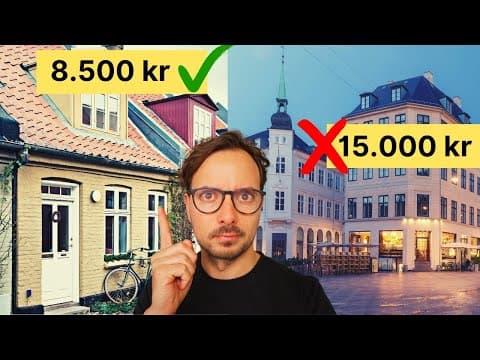
One significant aspect of renting in Denmark is the rent control laws applicable to properties built before 1992. These laws limit how much landlords can charge, often resulting in lower rents compared to the market rate. For instance, a 70 square meter apartment in Copenhagen might be subject to a controlled rent significantly below the typical market price.
If you suspect you are paying above the controlled rate, you can report this to the rental board, which can mandate a reduction in rent and reimbursement of the overpaid amount.
Renting in Denmark can be a complex and costly endeavor, but with the right knowledge and strategies, you can navigate the market effectively. From utilizing platforms like BoligPortal to understanding your rights under rent control laws, being informed is key to securing a favorable rental agreement. If you find the rental market overwhelming, consider exploring the option of purchasing a property, which may offer better long-term financial benefits.
For those interested in the home-buying process in Denmark, further resources are available to guide you through that journey as well.