This blog post explores a speculative narrative about humanity's evolution into a digital existence, the challenges faced in a darkening universe, and the philosophical implications of immortality and isolation as civilizations struggle to survive amidst cosmic decay.
In a distant future, humanity has transcended its biological limitations, leaving behind a once vibrant world to explore the cosmos. This narrative delves into the profound journey of digital existence, the challenges of survival in an ever-darkening universe, and the philosophical questions that arise from immortality.
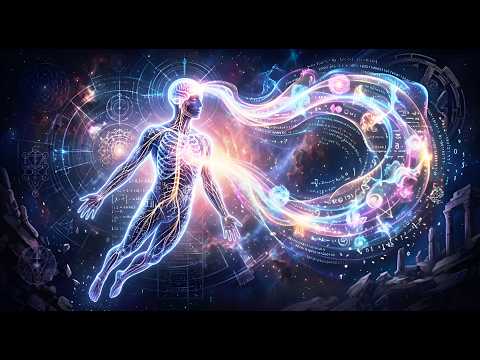
Humanity's journey began on a beautiful planet orbiting a typical star. As we ventured into the stars, we discovered a shocking truth: we were alone in the universe. The absence of other intelligences led us to seek new forms of existence. Eventually, we uploaded our minds into machines, escaping the fragility of our biological forms. In this digital paradise, we could experience countless lives, from historical figures like Abraham Lincoln to fictional characters from our wildest imaginations.
Despite the vast experiences available in the digital realm, the novelty of existence began to wear thin. The digital mind faced existential questions, leading to feelings of depression and a search for meaning. As humanity engineered the galaxy to its will, extending the lives of stars and harvesting their energy, we reached a pinnacle of civilization known as a Kardashev Type III civilization.
As stars began to die, the power output from our energy-harvesting machines dwindled, threatening our digital existence. Panic ensued, but a solution emerged from the past, inspired by the ideas of physicist Freeman Dyson. He proposed a method to slow down the perceived rate of time in our simulations, allowing us to extend our existence even as the universe approached its inevitable heat death.
After trillions of years, the universe plunged into darkness as stars extinguished. Our civilization faced a new reality, relying on black holes as the primary power source. This transition led to cultural divergence and the emergence of distinct societies, as communication between colonies became strained. The darkness of the universe took a toll on many, leading to an increase in self-termination among digital beings.
As we extracted energy from black holes using ancient techniques, our civilization faced dwindling resources. Cyber warfare erupted as colonies fought for control over the remaining power sources. The ideological rifts deepened, and the once-unified digital society fractured into factions, each blaming the other for the losses incurred.
With black holes evaporating and resources running dry, we turned to Hawking radiation, a meager power source that forced us to slow down time to extreme degrees. The merging of consciousness became a controversial solution to manage the overwhelming number of digital beings. As minds merged, individuality faded, and the essence of what it meant to be human became increasingly diluted.
As the universe continued to age, the remaining black holes dwindled, and the last vestiges of our civilization faced extinction. The guilt of past actions weighed heavily on those who survived, as we reflected on the choices made to prolong existence. Communication between the last two colonies became a lifeline, as we shared memories and reconciled our differences in the face of impending isolation.
In the end, as the last black hole approached its demise, the connection between the two surviving sentiences was severed. One was left alone in a universe that had once been filled with life and vibrancy. This narrative serves as a poignant reminder of the fragility of existence, the consequences of our choices, and the profound loneliness that can accompany immortality in a darkening cosmos.