Pfizer and Valneva have developed a new Lyme disease vaccine that reduces infections by 70% in clinical trials. This innovative protein subunit vaccine works by neutralizing bacteria inside ticks. If approved by the FDA, it would be the first Lyme vaccine for humans since 2002, addressing a growing public health concern due to expanding tick populations and climate change. The vaccine requires four doses and annual boosters.
Could a Lyme disease vaccine soon be available for Americans? Recent developments suggest it might be possible if the FDA approves the clinical trial data submitted by Pfizer and the French company Valneva. This article explores what we currently know about this promising vaccine and its potential impact.
A few weeks ago, Pfizer and Valneva announced that their Lyme disease vaccine reduced infections by 70% compared to placebo shots in clinical trials. This vaccine is classified as a "protein subunit vaccine," which operates differently from most other vaccines.
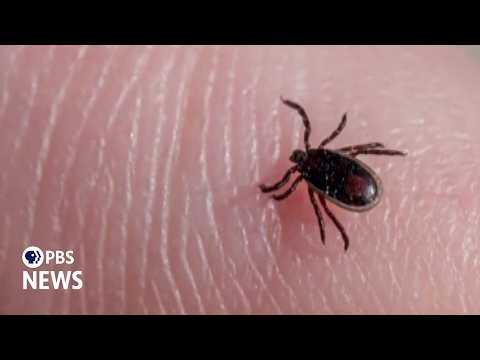
Epidemiologist Katelyn Jetelina explains that the vaccine works inside the tick rather than directly in the human body. The vaccine trains the human body to produce antibodies. When a tick bites a vaccinated person, it ingests these antibodies through the blood. These antibodies then neutralize the Lyme disease-causing bacteria in the tick's gut, preventing the bacteria from reaching or infecting the person.
This mechanism is significant because Lyme disease is caused by bacteria transmitted by ticks, not by the ticks themselves.
Lyme disease typically causes mild flu-like symptoms. However, certain strains can lead to more severe complications, including neurological and cardiac issues, which occur in approximately 1 to 10% of Lyme disease cases.
According to the Centers for Disease Control and Prevention (CDC), more than 475,000 people are treated for Lyme disease each year in the United States. This number is expected to increase due to several factors.
The geographic range of ticks is expanding, leading to a rise in Lyme disease cases. Several reasons contribute to this increase:
Ticks produce antifreeze, allowing them to survive in cold temperatures. For ticks to die during winter, temperatures must remain below approximately 10 degrees Fahrenheit for several days. With milder winters becoming more common, fewer ticks die off, contributing to their population growth.
If approved, the Pfizer and Valneva vaccine would be the only Lyme disease vaccine for humans available on the market. It would also be the first since LymeRix, a Lyme disease vaccine that was withdrawn from the market in 2002.
This new vaccine represents an innovative tool in combating a disease that affects hundreds of thousands annually and is poised to become an increasingly significant public health issue.
Despite the promising trial results, the vaccine's future remains uncertain. Regulatory bodies like the FDA require a high level of confidence in clinical trial data before approving vaccines.
The vaccine met the FDA's confidence threshold on a secondary measure but did not meet it on the primary measure. Pfizer believes the data is sufficient to seek approval, but experts like Katelyn Jetelina anticipate a complex discussion within the FDA regarding whether the evidence is strong enough to approve the vaccine for widespread use.
If the vaccine receives FDA approval, it will require a series of four doses administered over approximately one year. Following this initial series, an annual booster will be necessary before the start of each tick season to maintain protection.
The development of a new Lyme disease vaccine by Pfizer and Valneva offers hope in the fight against a growing public health threat. Its unique mechanism of action and promising clinical trial results could provide effective protection against Lyme disease for millions of Americans. However, regulatory approval will depend on further evaluation of the clinical data. If approved, this vaccine could become a vital tool in reducing Lyme disease incidence amid expanding tick populations and changing environmental conditions.
For PBS News, this is Dima Zai reporting.