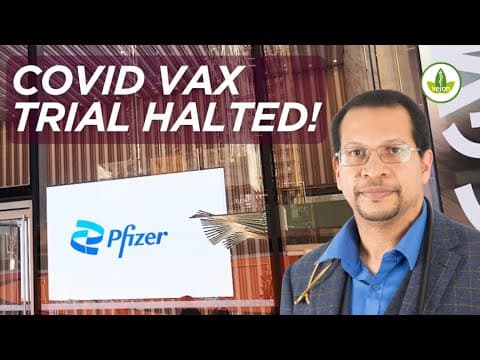
Pfizer recently stopped their large COVID booster vaccine trial, not due to safety concerns but because of slow enrollment and stricter FDA requirements. The trial struggled to recruit healthy adults aged 50-64, with 80% of willing participants failing pre-screening due to health issues. This raises concerns about increased chronic illnesses post-pandemic and the future approach to COVID vaccinations, focusing on at-risk populations rather than mass vaccination.
Pfizer has recently shut down their large-scale COVID-19 booster vaccine trial. While the headline might suggest safety concerns, the reality is more nuanced. The trial was halted primarily due to recruitment difficulties and new, stricter requirements imposed by the FDA, rather than any safety issues.
According to a Reuters article, the study was stopped because of slow enrollment and challenges in recruiting healthy volunteers. The trial aimed to enroll between 25,000 to 30,000 healthy adults aged 50 to 64 years. However, more than 80% of potential participants failed pre-screening due to not meeting health criteria.
This difficulty in recruitment highlights a significant and concerning trend: a larger portion of the population is experiencing health issues than anticipated, especially in the age group targeted for the study.
Research indicates a sharp rise in chronic health conditions since 2020. For example, in a cohort aged around 59 to 64 years, there was a 182% increase in hypertensive heart and renal disease. Similar increases were observed in other conditions such as diabetes and myositis, with a 237% increase in the 60 to 74 age group.
These statistics suggest that the population eligible and willing to participate in booster trials is less healthy than expected, which complicates recruitment for vaccine studies requiring healthy volunteers.
The recruitment challenges are partly due to changes in the regulatory framework by the FDA and CDC. New leadership at the FDA, including Dr. Vinay Prasad and Dr. Martin McCarty, introduced stricter trial requirements and shifted the COVID vaccine strategy.
Previously, COVID boosters were recommended broadly for all Americans over six months old, aligning the vaccine with the seasonal influenza shot. However, this one-size-fits-all approach was questioned for lacking a strong scientific basis, unlike the influenza vaccine which has decades of research.
The new FDA framework proposes limiting updated COVID shots to at-risk populations, such as older adults over 65 or those with high risk for severe COVID-19. This change has made it harder to conduct large-scale trials on healthy adults in the 50-64 age group.
The trial's halt is not due to safety concerns but rather the inability to enroll enough healthy participants. This raises several important questions:
The fact that 80% of willing participants were not healthy enough to join the trial is alarming. It suggests a broader public health issue that is not being widely acknowledged.
The initial broad vaccination strategy was beneficial from a business perspective, maximizing vaccine uptake. However, it may not have been fully supported by scientific evidence, especially for younger and healthier populations.
The new approach by the FDA aims to be more evidence-based, focusing on those who truly need boosters. This shift could improve vaccine policy but also complicates vaccine development and approval processes.
Pfizer's decision to halt their massive COVID booster trial shines a light on the complex challenges facing COVID vaccination efforts today. Recruitment struggles reflect a population with increasing health issues, and regulatory changes are pushing for a more targeted vaccination approach.
This situation calls for more research and transparency about the long-term health impacts of the pandemic and vaccination strategies. It also emphasizes the need to ask harder questions and not dismiss emerging health trends.
Staying informed and critically evaluating new data will be crucial as we navigate the future of COVID-19 vaccination and public health.
For those interested in further details and ongoing research, it is encouraged to follow updates and engage with credible sources to understand the evolving landscape of COVID-19 vaccines and health outcomes.